Leopard Sunflower Seamless Pattern Review
As a designer who spends more time staring at stitch charts and fabric swatches than sleeping, I approach every new digital asset with a mix of skepticism and hope. The market is flooded with generic clipart, but finding a pattern that balances aesthetic charm with technical viability for embroidery is rare. That is why I decided to put the Leopard Sunflower Seamless Pattern through its paces. This isn’t just about how it looks on a screen; it is about how it translates to thread, stabilizer, and ultimately, into the hands of a customer who expects quality.
I evaluated this design not as a static image, but as a potential core element for a commercial embroidery project. Whether you are an Etsy seller looking for your next best-seller or a hobbyist making personalized gifts, the difference between a good design and a great one lies in execution. Here is my honest breakdown of how this Patterns category item holds up in real-world application.
First Impressions: Mood and Visual Personality
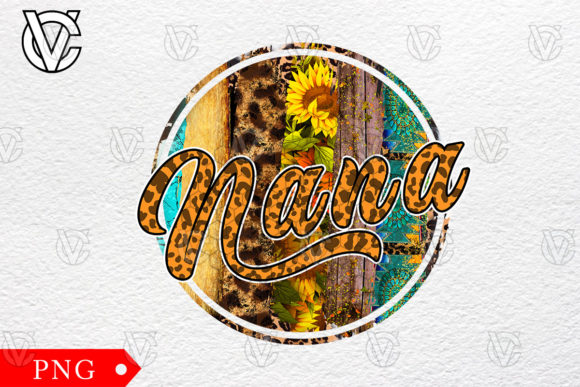
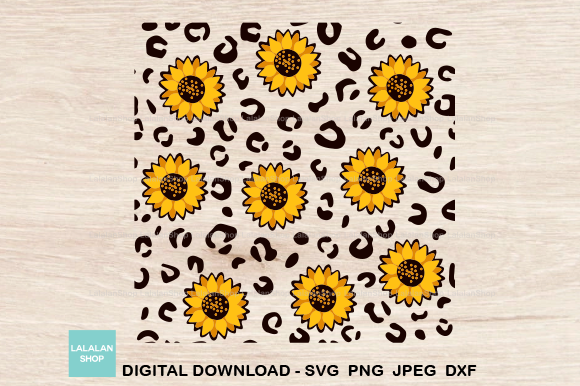
The moment you load the file, the juxtaposition of elements catches the eye. You have the wild, untamed energy of leopard print meeting the cheerful, grounded nature of sunflowers. It creates a mood that is simultaneously rustic and chic. For a Western Background theme, this pairing is surprisingly effective. It avoids the cliché of being too "country" by adding a touch of modern graphic boldness.
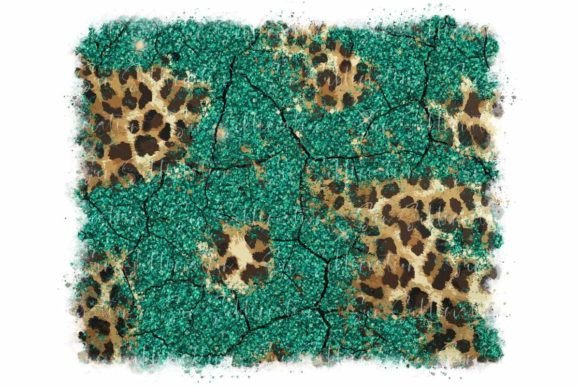
From a layout perspective, the seamless nature of the Graphics means it repeats cleanly. This is crucial for items like tote bags, aprons, or full-coverage sweatshirts where you want the pattern to flow naturally without awkward breaks. The visual personality feels confident. It does not scream for attention; rather, it establishes a strong brand identity. If you are building a boutique line of handmade products, this design signals creativity and trend-awareness immediately.
Real-Life Application: The Custom Tote Bag Scenario
To test the practicality of the Leopard Sunflower Seamless Pattern, I imagined creating a custom embroidered tote bag for a local craft fair. This is a high-volume item for many small business owners, so the design needs to be versatile.
When digitizing or preparing this machine embroidery design for a large surface area, the repeating motif works beautifully. Unlike a single centered logo, a seamless pattern allows for creative placement. You could frame it around the edges of the bag, leaving the center clean for personalization, or fill the entire canvas for a bold statement piece. The contrast between the organic shapes of the sunflowers and the geometric spots of the leopard print provides enough visual interest to keep the viewer engaged without becoming chaotic.
I also considered using this for baby clothes. The colors, typically warm yellows and earthy browns or blacks, are gender-neutral and timeless. A onesie or a burp cloth featuring this embroidery file would likely appeal to parents looking for something unique that stands out from the typical pastel florals. It suggests a playful yet sophisticated taste.
Technical Performance in Embroidery
How does it stitch? This is where many designs fail. The success of any embroidery project depends heavily on stitch density and detail clarity. In reviewing the vector sources included (SVG, DXF) and the raster formats (PNG, JPEG), the lines appear crisp, which is a good sign for digitization.
For the leopard spots, a satin stitch or a tight fill stitch would give a nice texture, mimicking the look of fur or leather. The sunflower petals, however, require careful handling. If the digitizer uses too much density, the flower can look muddy. I recommend using a combination of satin stitches for the outlines and lighter fill stitches for the centers to maintain definition. When executed correctly, the stitch density should feel balanced—substantial enough to cover the base fabric but light enough to remain flexible.
This design also lends itself well to applique techniques. Imagine cutting the sunflower shapes from yellow felt and stitching them onto a background of leopard-print fabric. This adds dimension and durability, making it ideal for custom apparel like denim jackets or heavy-duty work aprons. The applique design approach can elevate the perceived value of the finished product significantly.
Where to Exercise Caution
No design is perfect for every surface. There are specific scenarios where the Leopard Sunflower Seamless Pattern requires careful consideration:
- Small Hoop Sizes: If you attempt to shrink this pattern down to fit a 2x2 inch hoop, the details will be lost. The leopard spots may merge into a blurry brown mass, and the sunflower faces will become indistinguishable. This design demands space to breathe.
- Textured or Stretchy Fabrics: Knits and heavy wools can distort the precision of the lines. On stretchy fabrics, you must use a strong cut-away stabilizer to prevent puckering, especially if the pattern covers a large area.
- Dense Stitch Areas: Avoid placing this design over existing seams or zippers. The added bulk can make the garment uncomfortable to wear.
- Curved Surfaces: While caps are popular, a seamless pattern on a curved brim can look distorted unless the digitizing accounts for the curvature. Flat surfaces like tote bags, pillow covers, and tea towels are safer bets for maintaining pattern integrity.
Impact on Product Value and Branding
Using a distinctive design asset like this directly impacts how customers perceive your brand. Generic designs suggest a drop-shipped, low-effort product. A well-executed handmade product featuring a cohesive theme like Western floral patterns builds trust. It shows that you have curated your offerings with intention.
For an Etsy seller, this pattern offers excellent versatility for mockups. You can showcase the same design on a sweatshirt, a kitchen towel, and a nursery blanket, demonstrating its adaptability. This consistency helps in creating a recognizable brand aesthetic. Customers often buy into the vibe as much as the item itself. The embroidered patch potential is also high here; a standalone version of the sunflower-leopard combo could sell exceptionally well as an accessory for backpacks or hats.
Practical Designer Notes for Execution
Before you hit "start" on your machine, follow these steps to ensure professional results:
- Test on Scrap Fabric: Always run a test stitch-out. Check how the thread colors interact with your chosen fabric. Dark fabrics may require underlay stitches to make the bright sunflowers pop.
- Check Thread Contrast: Ensure there is sufficient contrast between the leopard print threads and the background. Muddy tones kill the vibrancy of the design.
- Review Stitch Density: Zoom in on the digitized file. Are there areas where the needle penetrates the fabric too frequently? Adjust if necessary to prevent fabric damage.
- Confirm Licensing: Since this is a digital download including various formats, verify the license terms before selling finished goods. Some licenses allow commercial use of physical items, while others restrict resale.
- Use Proper Stabilizer: Match your stabilizer to the fabric weight. Heavy tear-away or permanent cut-away stabilizers are recommended for this type of detailed pattern.
In conclusion, the Leopard Sunflower Seamless Pattern is a strong contender for designers looking to add a touch of western-chic to their repertoire. It is visually engaging, technically adaptable, and commercially viable. By respecting its technical requirements and choosing the right substrates, you can create finished products that resonate with buyers and stand out in a crowded marketplace. It is a tool that rewards thoughtful application with high-quality results.