Leopard Turquoise Design Background Review
When I sit down to evaluate a new digital asset for my embroidery studio, I am rarely impressed by mere aesthetics. As a designer who has stitched thousands of designs for clients ranging from boutique owners to individual hobbyists, I look for utility, clarity, and emotional resonance. Today, I am putting the Leopard Turquoise Design Background under the microscope. This is not just another pretty picture; it is a graphic intended for sublimation and print, but its application in machine embroidery requires a specific kind of creative translation. If you are an Etsy seller, a craft fair vendor, or a small business owner looking to expand your product line with high-impact visuals, this review will help you decide if this file belongs in your library.
The First Impression: Mood and Visual Personality
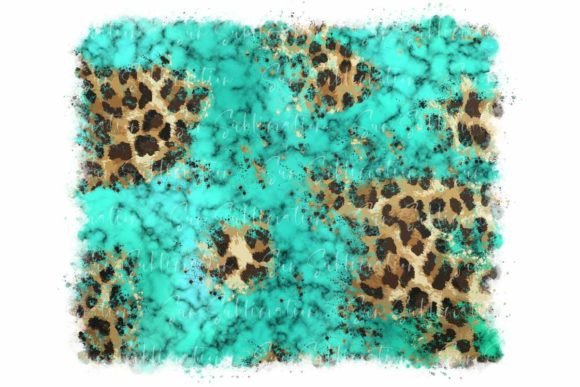
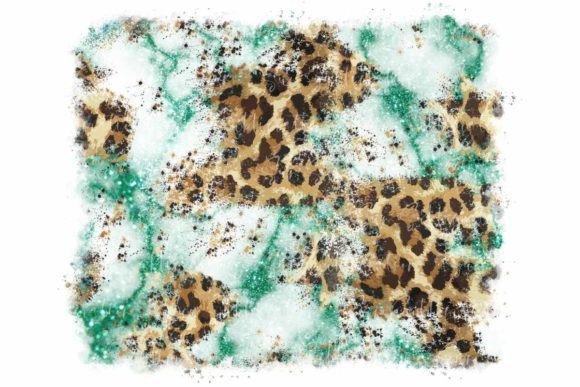
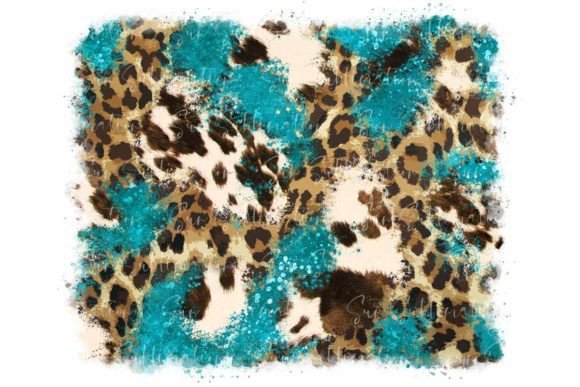
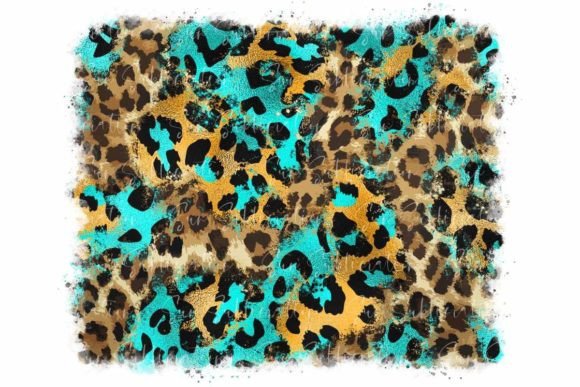
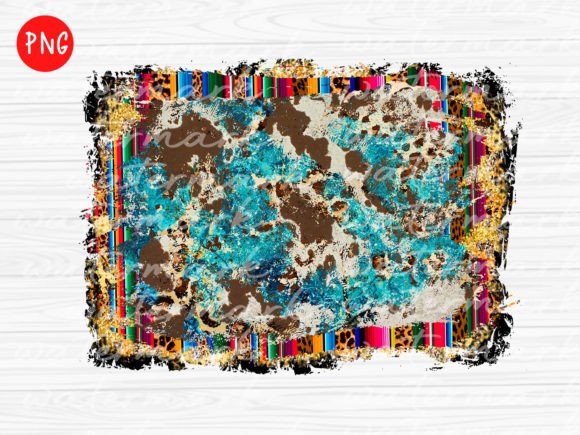
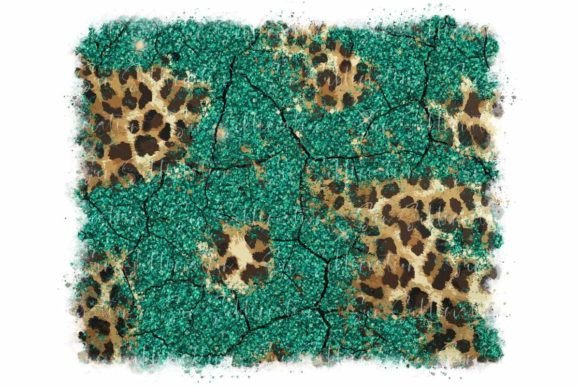
The moment you load the Leopard Turquoise Design Background, the mood is established immediately. The juxtaposition of wild, organic leopard patterns against a cool, calming turquoise backdrop creates a striking contrast that demands attention. It feels both rustic and refined—a perfect blend of Western flair and modern chic. For an embroidery designer, this duality is crucial. It allows the design to fit into multiple niches without feeling out of place.
Visually, the layout suggests versatility. The background elements provide a rich texture that can serve as a canvas for lettering or stand alone as a statement piece. The "glitter" aspect mentioned in the source description implies a shimmering quality that translates well into metallic threads or reflective fabrics. However, as a reviewer, I must caution that while the digital file promises sparkle, the physical result depends entirely on thread choice and fabric selection. The visual personality here is bold, confident, and slightly edgy, making it ideal for brands that want to project strength and style simultaneously.
Real-World Application: From Screen to Stitch
Let’s move beyond the screen and imagine this design in a real project scenario. Picture a custom embroidered tote bag for a summer festival or a personalized sweatshirt for a holiday gift. The Leopard Turquoise Design Background shines in these contexts. On a neutral-colored tote bag, the turquoise pops, drawing the eye immediately. On a darker sweatshirt, the design acts as a vibrant focal point, breaking up the monotony of dark fabric.
I recently considered using this graphic for a series of baby items, such as burp cloths or nursery wall art. While the leopard theme might seem mature for a baby room, the soft turquoise tones soften the edge, making it suitable for gender-neutral decor. When converted into an applique design or stitched with soft fill stitches, the background becomes a tactile experience. Customers love products that engage multiple senses; the visual appeal of the leopard pattern combined with the texture of embroidery adds perceived value to handmade products.
For commercial embroidery projects, this design offers excellent branding potential. Small shop owners can use it on aprons, tea towels, and kitchen linens to create a cohesive brand identity. The Western PNG file format ensures high resolution, which is critical when scaling the design for larger items like pillow covers or blankets. When customers see a crisp, clear design on a finished product, their trust in the maker increases. Ambiguity or pixelation kills sales; clarity builds reputation.
Technical Considerations and Potential Pitfalls
Not every design works everywhere, and the Leopard Turquoise Design Background is no exception. There are specific situations where this graphic requires careful handling. First, consider the hoop size. Because this is a background-heavy design, attempting to stitch it in a very small hoop may result in cramped details or loss of impact. Always check the recommended hoop size before starting your digitizing process.
Fabric texture plays a massive role in how this design renders. On smooth cottons or linens, the lines will remain sharp. However, on textured fabrics like burlap or heavy denim, the intricate parts of the leopard pattern may get lost. Similarly, stretchy fabrics require proper stabilizer usage to prevent puckering. If you are working with thin fabric, ensure you use a tear-away or cut-away stabilizer to maintain structural integrity during stitching.
Another area of concern is color contrast. If you plan to stitch this on a dark fabric, you must choose thread colors carefully. The turquoise may disappear against navy or black backgrounds unless you use bright, contrasting threads. Conversely, on light fabrics, the design will be most visible. I also advise inspecting small details closely. If the original graphic contains tiny speckles or fine lines, ensure your digitizing software can translate these into readable running stitch or satin stitch elements without creating dense, unworkable clusters.
Where to Use With Caution
- Curved Surfaces: Applying this design to caps or hats requires precise placement to avoid distortion.
- Dense Stitch Areas: Avoid placing heavy fill stitches over delicate areas of the leopard pattern to prevent bulkiness.
- Frequent Washing Items: For items like dish towels or aprons that undergo frequent laundering, secure all edges and consider using a protective coating if the design includes decorative accents.
- Tiny Lettering: If adding text alongside the background, keep it large enough to remain legible after stitching.
Practical Designer Notes for Success
To get the best results from the Leopard Turquoise Design Background, follow these practical steps. Always test the design on scrap fabric first. This allows you to gauge thread color contrast and stitch density without wasting materials. Review the design in black and white mockups to ensure the composition holds up without color distraction. Compare how it looks on both light and dark fabric backgrounds to determine the most versatile application.
Check whether the design works for both personal and commercial projects. Licensing terms vary, so confirm the rights before selling finished items or digital products. If you are an Etsy seller or running a craft business, understanding these legal boundaries is essential for long-term sustainability. Additionally, inspect small details in the original file. If the leopard spots are too faint, they may not digitize well. You might need to enhance the contrast or simplify the pattern before converting it into an embroidery file.
Finally, think about the end-user experience. How will the customer feel holding a product featuring this design? The combination of wild animal print and soothing turquoise evokes a sense of adventure and calm. This emotional connection drives engagement and encourages repeat purchases. Whether you are creating custom apparel, personalized gifts, or holiday embroidery sets, ensuring the final product matches the promise of the digital preview is key to professional presentation.
Final Verdict
The Leopard Turquoise Design Background is a versatile and visually compelling asset that deserves a spot in any serious designer’s collection. Its ability to bridge the gap between Western charm and modern elegance makes it suitable for a wide range of applications, from tote bag design to sweatshirt embroidery. While it requires thoughtful execution regarding fabric choice and stitch density, the payoff in terms of visual appeal and customer satisfaction is significant. For those willing to put in the prep work—testing, stabilizing, and planning—the result is a finished product that stands out in a crowded marketplace. Just remember to verify all technical specifications and licensing details before diving into production.