Leopard Turquoise Marble Background Review
As a designer who spends more time staring at stitch density charts and fabric swatches than I care to admit, I have learned to trust my gut before I ever load an embroidery file into the machine. There is a specific kind of risk when introducing complex backgrounds into embroidery work. You are not just stitching a logo; you are creating texture, mood, and visual weight. Today, I am putting the Leopard Turquoise Marble Background through its paces. This isn’t just about how it looks on a screen; it is about how it survives the needle, the hoop, and the real-world demands of a small business owner trying to create a standout handmade product.
First Impressions: The Mood and Visual Weight
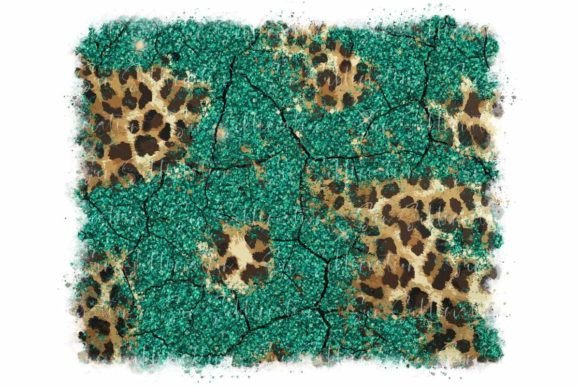
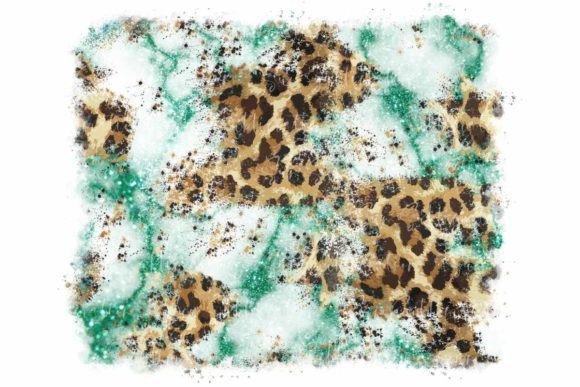
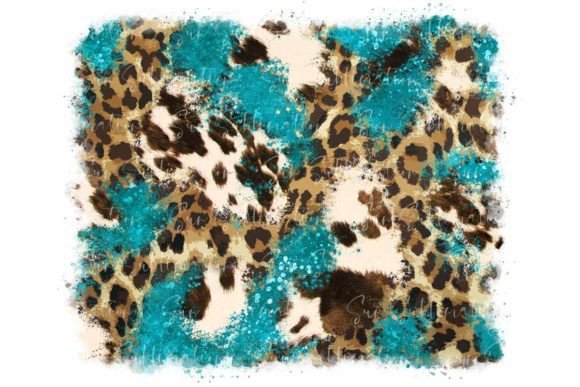
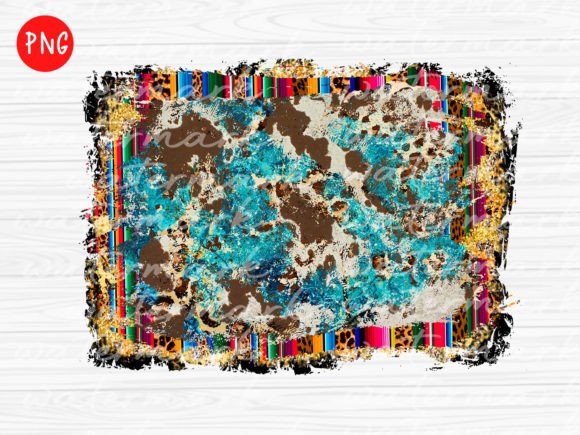
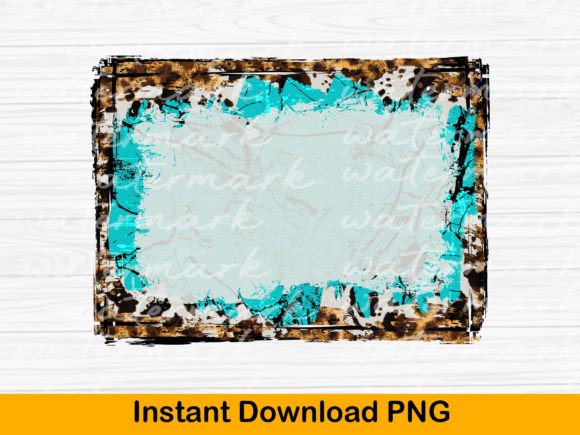
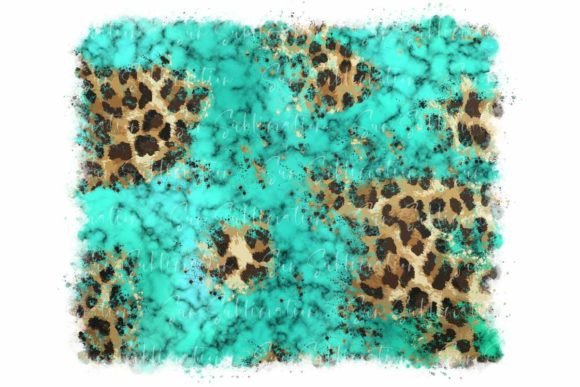
When you first pull up the Graphics for the Leopard Turquoise Marble Background, the immediate sensation is one of bold contrast. The turquoise provides a cool, crisp anchor, while the leopard pattern introduces organic movement. It feels modern yet slightly rustic, which is a tricky balance to strike in digital design assets. For an embroidery project, this duality is both a blessing and a challenge.
The layout suggests a background element rather than a focal point, which is smart. In my experience, designers often make the mistake of letting the background compete with the main subject. Here, the marble effect softens the harshness of the animal print, creating a sophisticated custom apparel aesthetic. It feels like something you would see in a high-end boutique, not a discount craft store. The color palette—turquoise and neutral tones—suggests versatility. It can feel fresh and summery or chic and professional depending on the thread choices you pair with it.
Real-World Application: From Screen to Stitch
Let’s talk about a real scenario. Imagine you are preparing for a busy holiday season. You want to create a line of personalized gifts that feel luxurious but remain accessible. You decide on a tote bag design made from heavy-duty canvas, perhaps for a local artisan market or an Etsy seller looking to boost their small shop product inventory. You choose the Leopard Turquoise Marble Background as the backdrop for a monogrammed name.
In this context, the design shines. The marble texture adds depth that flat colors simply cannot achieve. When stitched, the varying shades of turquoise and white (or cream) can simulate the veining of actual stone, provided you use the right thread transitions. The leopard spots add a playful disruption to the smooth marble, keeping the eye moving across the piece. For a sweatshirt embroidery project, this background works well on the back panel or as a large chest graphic, offering a statement piece that stands out in a crowd. It elevates the perceived value of the item, making a simple tote or hoodie feel like a curated fashion accessory.
However, consider a different application: a baby embroidery item, such as a burp cloth or a onesie. Here, the turquoise might be too stark against skin tones, and the leopard print could feel a bit aggressive for a nursery theme unless balanced heavily with soft pastels. The design has a strong personality, which means it dictates the tone of the entire product. If you are aiming for delicate, lace-like aesthetics, this machine embroidery design might overwhelm the subject. But for a craft business focused on trendy, bold accessories, it is a powerhouse.
Technical Considerations and Stitch Clarity
No matter how beautiful a design looks in preview, its success lies in execution. The Leopard Turquoise Marble Background requires careful attention to stitch density. Because it functions as a background, it likely contains significant fill areas. If the density is too high, the fabric will pucker, especially if you are working with lightweight materials. Conversely, if it is too sparse, the underlying fabric color will bleed through, ruining the marble illusion.
I always advise testing the design on scrap fabric first. Check the thread colors carefully. The transition between the turquoise and the lighter marble veins must be seamless. If the machine jumps threads too frequently, you risk tangling and a messy underside. A good stabilizer is non-negotiable here. Depending on your fabric—whether it is a stable cotton duck for a tote bag or a stretchy knit for a cap—you may need cut-away stabilizer to prevent distortion during the long stitching process.
Pay close attention to the details of the leopard print. Are they distinct shapes, or do they merge into the marble? If they are small, intricate elements, ensure your machine can handle the precision. Tiny details often get lost in dense backgrounds or become muddy if the hoop size is too small relative to the design complexity. If you are planning to use this for an embroidered patch, you might need to simplify the background to allow the border to pop.
Where to Use With Caution
While this design has broad appeal, there are specific situations where it might struggle:
- Small Hoop Sizes: If the background is intended to frame a small central motif, shrinking it down can cause the marble texture to lose definition, turning into a blurry mess of pixels and stitches.
- Textured Fabrics: Trying to stitch this over a heavily textured fabric, like boucle or thick wool, can obscure the fine details of the marble and leopard patterns. Stick to smoother fabrics like cotton, linen, or synthetic blends for best results.
- Dense Stitch Areas: Avoid placing this design directly under other dense elements, such as heavy lettering or large logos, unless you are using a specialized applique design technique to layer them cleanly.
- Stretchy Fabric: On highly elastic materials without proper stabilization, the tension of the threads can distort the marble lines, making them look wavy or uneven.
Visual Appeal and Brand Consistency
For the commercial embroidery artist, the Leopard Turquoise Marble Background offers a unique selling proposition. It breaks away from the cliché floral or geometric backgrounds that saturate the market. Using this digital embroidery file allows you to position your brand as contemporary and artistic. Customers respond to uniqueness, and a well-executed marble-leopard combo feels intentional and high-quality.
It also enhances giftability. A product featuring this background feels special. Whether it is a holiday embroidery gift set or a wedding gift favor, the design carries enough elegance to justify a higher price point. However, consistency is key. Ensure that the thread colors you use match the original intent of the graphic. If the turquoise in your thread is significantly darker or lighter than the source image, the entire mood shifts. Test your finished product under natural light to ensure the colors pop as intended.
Final Verdict: A Bold Choice for the Right Project
The Leopard Turquoise Marble Background is not a subtle, behind-the-scenes element. It is a statement. It demands respect from the embroiderer and rewards the viewer with a rich, textured aesthetic. For those looking to expand their design assets with something that bridges the gap between wild animal print and sleek modern art, this is a strong addition.
Before integrating this into your workflow, remember to check the licensing terms if you plan to sell finished items. Confirm the recommended hoop size and review the stitch types to ensure your machine can handle the nuances. When used correctly, with the right fabric and stabilizer, this design can transform a standard personalized gift into a memorable keepsake. It proves that even a background can be the star of the show, provided you have the skill to bring it to life.