I Wanna Be a Cowboy Daddy Embroidery Review
When you are sifting through T-Shirt Designs and Graphics for your next batch of handmade products, it is easy to get lost in the noise. As an experienced designer who reviews embroidery files for real-world application, I look past the flashy preview images. I care about stitch density, visual balance, and whether a design actually translates well from screen to fabric. Today, I am evaluating a file titled I Wanna Be a Cowboy Daddy. This digital artwork is marketed as ready for immediate download and compatible with cutting software like Cricut Design Space and Silhouette Studio, but my focus here is strictly on its viability as a machine embroidery design.
The premise is simple: a fatherhood-themed graphic that leans into western aesthetics. But does it work when stitched? Let’s break down the practical implications of using this embroidery project in your craft business or personal stash.
First Impressions and Visual Personality
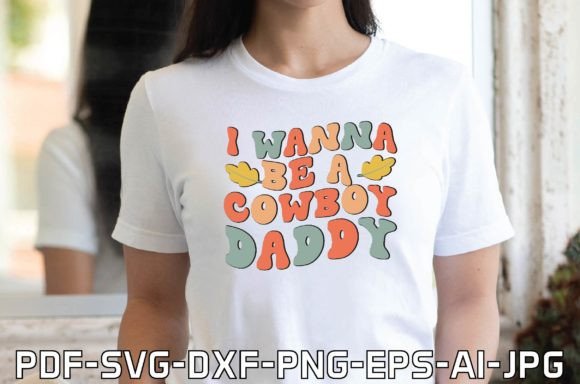
The immediate mood of I Wanna Be a Cowboy Daddy is playful yet rustic. It taps into a very specific niche that performs consistently well in the handmade product market. The typography appears bold, which is a good sign for readability, but the layout suggests a mix of text and perhaps a graphical element (like a hat, boot, or badge). In my experience, designs that combine text with iconography can sometimes become cluttered if not spaced correctly. However, this file seems to prioritize legibility, which is crucial for any custom apparel intended for gifting.
The visual personality fits perfectly into the "country chic" or "western nursery" aesthetic. It feels less like a generic clip art and more like a deliberate design choice for someone who wants to express a rugged, loving dad vibe. For an Etsy seller, this kind of clear thematic identity helps buyers instantly recognize who the product is for. It screams "gift for a new papa," which reduces decision fatigue for customers browsing your shop.
Real-World Application: Where Does This Shine?
Let’s talk about actual use cases. I recently imagined this design being applied to a few different mediums to see how it would hold up.
- Baby Embroidery: This is the strongest candidate. A onesie, a burp cloth, or a small blanket for a baby shower gift works exceptionally well. The phrase is sweet enough for a newborn but cool enough for a toddler’s outfit. When digitizing or stitching this, the contrast between the thread colors and the soft pastel fabrics often creates a high-end look.
- Sweatshirt Embroidery: Imagine this on a heavyweight cotton fleece sweatshirt. The weight of the garment can support the stitch density better than thin t-shirts. This becomes a premium personalized gift for Father’s Day or Christmas. The western theme pairs naturally with denim or charcoal gray fabrics.
- Tote Bag Design: A canvas tote bag is another excellent surface. The durability of canvas allows for slightly denser stitching without puckering. This could be part of a matching set for a family outing, adding a touch of humor and style to everyday carry items.
- Embroidered Patch: If the design includes a border, it could easily be converted into an applique design or a standalone patch. Patches are huge right now for decorating backpacks, jackets, and beanies. The I Wanna Be a Cowboy Daddy theme is perfect for a dad’s work jacket or a child’s denim vest.
In these scenarios, the design adds value by making the item feel unique. It transforms a plain commodity into a small shop product with emotional resonance. Buyers aren’t just buying fabric; they are buying a memory or a statement.
Stitch Clarity and Technical Considerations
As a reviewer, I must address the technical side. Since the description notes compatibility with cutting software, you need to verify if this is a true machine embroidery design (with .pes, .dst, or .exp files) or a vector graphic meant for heat transfer vinyl (HTV). If it is an embroidery file, you need to inspect the stitch types closely.
A design with too much satin stitch on large text areas can look bulky and may pull the fabric. Conversely, if it relies heavily on fill stitch for background elements, ensure the density isn’t so high that it becomes stiff and uncomfortable against the skin, especially for baby items. Look for a healthy mix of running stitch for details, which adds texture without adding bulk.
If the design uses thread colors effectively, it will pop on both light and dark backgrounds. However, always test color contrast. A light yellow thread might disappear on a cream shirt, whereas a navy thread would stand out beautifully. This attention to detail builds customer trust because the final product looks professional, not amateurish.
Where to Use Caution
Not every surface is created equal. There are specific situations where I Wanna Be a Cowboy Daddy might struggle if you don’t prepare properly.
- Small Hoop Sizes: If the design exceeds 4x4 inches, it may require multiple hooping sequences. This increases the risk of misalignment. Ensure your hoop size matches the design dimensions before starting production.
- Textured Fabrics: While linen or burlap looks great aesthetically, textured surfaces can hide fine details. Small lettering or intricate decorative accents might get lost in the weave. Stick to smooth fabrics like cotton, polyester blends, or fleece for the cleanest result.
- Stretchy Fabrics: Knits and jersey materials stretch during stitching, which can distort the shape of the text. Always use a proper stabilizer—cut-away stabilizer is recommended for knits to prevent distortion after washing.
- Dense Stitch Areas: Avoid placing dense fill stitches directly over seams, pockets, or curved surfaces like caps. These areas already have structural challenges; adding heavy embroidery can cause puckering or discomfort.
Testing Before You Sell
Before you list this as a commercial embroidery item, run a test. Stitch it on scrap fabric that mimics the final product. Check for thread breaks, tension issues, and overall visual appeal. Inspect the corners of any satin stitches—are they sharp or rounded? Are there any loose threads that need trimming?
It is also wise to create a printable mockup to show potential buyers how the design looks on different garments. This helps manage expectations and showcases the versatility of the design assets. Remember, a good mockup sells the dream, but the physical product delivers the satisfaction.
Final Verdict on Value and Appeal
The I Wanna Be a Cowboy Daddy design hits a sweet spot in the current market. It appeals to parents who want to celebrate fatherhood with a bit of flair. For creative entrepreneurs and makers, this file offers a low-risk, high-reward opportunity. The theme is evergreen—dads love cowboy hats—and the execution appears solid for most standard embroidery machines.
However, success depends on your execution. Choose the right fabric, use adequate stabilizer, and select contrasting thread colors. Treat it as a premium finished product rather than a quick cash grab. When done right, this design can become a staple in your craft business inventory, driving sales during holiday seasons and special occasions.
Always confirm the licensing terms before selling finished items. Ensure you have the commercial rights to produce and sell goods made from this digital embroidery file. With the right preparation, I Wanna Be a Cowboy Daddy has the potential to be a standout piece in your collection, delighting customers and enhancing your brand’s reputation for quality and style.