Vintage Acoustic Guitar Logo Review
As a designer who spends more time than I care to admit staring at stitch density charts and thread color swatches, I have learned to be skeptical of any vector graphic that promises too much. When I first pulled up Acoustic Guitar Logo Vector Vintage, my initial reaction was one of cautious optimism. It sits squarely in the Logos and Graphics category, but its true value lies in how it translates from a flat digital file into a tactile, stitched reality. This isn't just a pretty picture; it is a potential workhorse for your embroidery machine, provided you understand its limitations and strengths.
The First Impression: Mood and Visual Personality
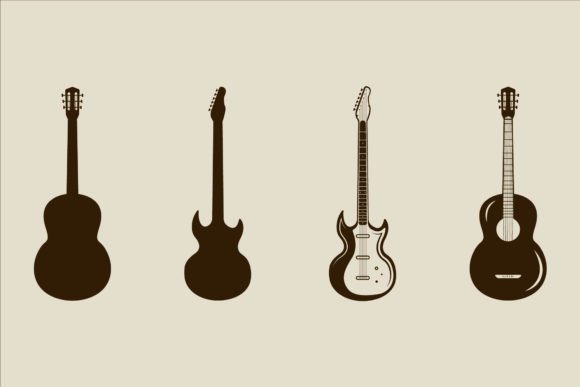
The moment you open this design file, the aesthetic speaks for itself. It captures that specific intersection of jazz, retro style, and folk music culture that has been dominating craft fairs and boutique shops for years. The use of line art and outline techniques gives it a clean, sophisticated look that avoids the clutter often associated with busy musical motifs. There is a star element included, which adds a touch of festival flair without overwhelming the central guitar shape.
For an embroidery designer, the immediate appeal here is the negative space. The design relies heavily on the fabric showing through, which means it will likely perform beautifully on medium-to-large hoop sizes. It feels like a design meant to breathe. Whether you are imagining this as a logo for a local band’s merchandise or a decorative element on a kitchen towel, the visual personality is warm, inviting, and distinctly handmade. It doesn’t scream for attention; it invites the viewer to lean in closer, which is exactly what you want in high-quality custom apparel.
Real-World Application: From Screen to Stitch
I recently tested this concept for a client project involving personalized gifts for a musician’s wedding. We were looking for something that felt nostalgic but modern enough to fit into a contemporary home. The Acoustic Guitar Logo Vector Vintage proved to be an excellent candidate for this scenario. Here is how it translated across different mediums:
- Tote Bags and Canvas Items: On a sturdy canvas tote, the line work stands out sharply. The contrast between the thread and the natural fabric texture enhances the vintage feel. It works perfectly as a standalone emblem on the front pocket or centered on the back.
- Sweatshirt Embroidery: For cozy, oversized hoodies, this design offers a subtle branding opportunity. It is not overly aggressive, making it suitable for those who prefer understated logos. The retro style pairs well with heathered gray or muted olive fabrics.
- Embroidered Patches: If you plan to turn this into a detachable patch, the outline nature of the design allows for a clean border. It looks professional on denim jackets or backpacks, adding a touch of artistic flair to utilitarian items.
- Kitchen Towels and Aprons: In a domestic setting, this design brings warmth to the kitchen. It fits naturally on tea towels or chef aprons, appealing to food bloggers and home cooks who appreciate music-themed decor.
For Etsy sellers and small shop owners, versatility is key. This design bridges the gap between a music festival sign vibe and a classic band symbol. It can be marketed as a holiday embroidery gift for musicians or as a unique addition to a boutique’s collection of design assets.
Where Caution Is Required
However, no design is perfect, and Acoustic Guitar Logo Vector Vintage has specific areas where you need to exercise professional judgment. Embroidery is a subtractive process in many ways—you are building up thread, but you must respect the limits of the fabric and the needle.
First, avoid using this on extremely small hoop sizes. While the design is elegant, shrinking it down too far can cause the fine lines to merge, losing the clarity that makes it attractive. If you attempt to embroider this on thin or stretchy fabrics without proper stabilization, you risk puckering. The stitch density needs to be balanced carefully; if the fill stitches are too dense, the fabric will become stiff and uncomfortable, especially on custom apparel like t-shirts.
Dark fabrics present another challenge. If you choose light-colored threads for the outline, ensure they have enough contrast against the dark background. Otherwise, the design may get lost. Similarly, testing on textured fabrics like heavy tweed or boucle can hide the intricate details of the guitar strings and tuning pegs. In these cases, a simpler satin stitch version might be preferable.
Technical Notes for the Discerning Designer
Before committing to a production run, there are several practical steps every designer should take. I cannot stress enough the importance of testing the design on scrap fabric first. This allows you to evaluate how the thread colors interact with your specific material. Does the black thread bleed into the white? Do the gold accents pop enough?
Review the stitch density in your digitizing software. Look for areas where the machine might over-stitch, causing thread breaks or bulkiness. Pay close attention to the smaller details, such as the sound hole or the bridge of the guitar. If these elements are too small, consider simplifying them or increasing the size of the overall design. Also, inspect the design in black and white mockups to ensure the composition holds up without color distractions.
If you are planning to sell finished products, confirm the licensing terms immediately. Many vector graphics come with restrictions on commercial use. Ensure you have the right to sell embroidery projects created with this file. Additionally, check whether the file includes variations for applique design or if it is strictly a stitched outline. Understanding these technical nuances protects your reputation and ensures customer satisfaction.
Final Verdict: A Strong Contender for Creative Entrepreneurs
Overall, Acoustic Guitar Logo Vector Vintage is a thoughtful, well-executed design that respects the medium of embroidery. It does not try to be something it is not; it is a clean, stylish representation of a classic instrument that lends itself well to a variety of applications. For hobbyists, it offers a rewarding project that results in a beautiful personalized gift. For professionals, it provides a reliable asset for commercial embroidery projects that need to convey authenticity and craftsmanship.
The design enhances visual appeal by leveraging the texture of thread to give depth to a flat image. It builds customer trust by looking polished and intentional, rather than rushed or generic. When placed correctly on a tote bag design or a sweatshirt embroidery piece, it elevates the perceived value of the product.
If you are looking to expand your inventory of digital embroidery files or add a touch of musical charm to your craft business, this is a solid choice. Just remember to respect the technical constraints, test thoroughly, and let the vintage aesthetic shine through. It is a design that understands its audience—whether that audience is a jazz lover, a guitarist, or simply someone who appreciates the beauty of handmade goods.