Unicorn Rider - Reiner Embroidery Review
As a designer who spends more time troubleshooting stitch paths than actually creating new art, I approach every new embroidery file with a healthy dose of skepticism. The market is flooded with generic clipart that looks fine on screen but falls apart under the needle. That is why I take the time to evaluate designs like Unicorn Rider - Reiner from a practical, production-ready standpoint. This isn't just about whether it looks cute; it is about whether it will hold up in a real-world scenario for an Etsy seller, a boutique owner, or a serious hobbyist.
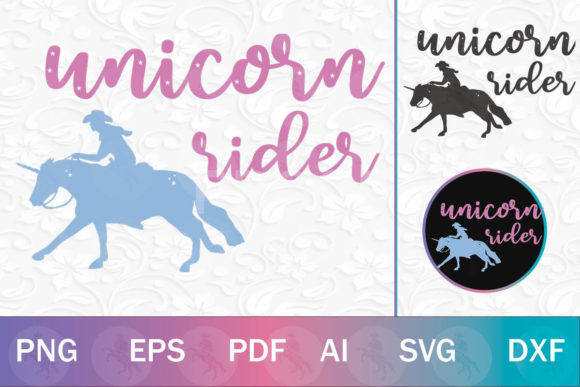
The concept here is straightforward: a fun reining unicorn design. It targets the intersection of equestrian passion and fantasy whimsy. But does it translate well to thread? Let’s break down how this machine embroidery design performs when we move it from digital preview to finished product.
First Impressions and Visual Personality
When you first load Unicorn Rider - Reiner into your digitizing software, the immediate takeaway is its dynamic energy. The "reining" pose suggests motion, which is tricky to capture in static embroidery. A poorly executed motion design can look stiff or unbalanced once stitched. However, this design manages to convey action without becoming visually cluttered. The silhouette is bold enough to read clearly even from a distance, which is crucial for items like sweatshirt embroidery or large tote bags.
The mood is playful yet grounded. It avoids the overly saccharine aesthetic that plagues many unicorn designs. Instead, it leans into the western theme with a fantastical twist. This makes it highly versatile. It doesn’t feel like it belongs exclusively in a toddler’s nursery; it has enough edge to work on adult apparel or as a unique gift for someone who loves both horses and unicorns. For a craft business, this versatility is gold. It allows you to target multiple demographics without needing separate design inventories.
Real-World Application: The Custom Tote Bag Scenario
To truly test a design, you have to imagine where it lives. Let’s say I am preparing a custom embroidered tote bag for a local craft fair. The client wants something that stands out on a crowded table. I place Unicorn Rider - Reiner centered on a heavy-duty canvas tote. Because the design features distinct shapes and likely relies on strong outlines, it pops against the textured fabric. The visual weight is balanced, meaning it won’t distort the bag’s structure if proper stabilizer is used.
Now, consider a different scenario: a personalized baby onesie. Here, the same design might need scaling down. This is where my review becomes critical. While the design works beautifully at medium sizes, you must be cautious with tiny applications. If you shrink this too much, the details that give the unicorn its character—perhaps the mane texture or the reins—can merge into a muddy blob. For baby embroidery, I would recommend using this on larger items like muslin blankets or hooded towels rather than small garment fronts unless you are confident in your machine’s precision.
Performance on Different Garments
- Caps and Hats: The curved surface of a baseball cap or cowboy hat presents a challenge. This design’s width needs to be considered carefully. If it is too wide, it will pucker at the edges. However, if sized correctly, the western theme fits perfectly with cowboy hats, creating a cohesive custom apparel look.
- Aprons and Kitchen Towels: These flat, woven surfaces are ideal for this type of graphic. The design acts almost like a print, making it perfect for a handmade product line focused on home goods. The durability of the stitches ensures it survives frequent washing, a key concern for customers buying kitchen textiles.
- Patches: If you are offering embroidered patches as add-ons, this design translates well. The clear boundaries make it easy to apply a cut-away stabilizer and finish with a neat border. It serves as a great upsell item for any small shop product.
Technical Considerations and Stitch Clarity
From a technical standpoint, the success of any illustrations based design lies in its stitch density and color separation. Unicorn Rider - Reiner appears to utilize a mix of fill stitches for the body and satin or running stitches for finer details like the horse's legs and the rider's gear. This variety adds depth, preventing the final piece from looking flat.
However, designers must pay attention to the stitch density. If the design is too dense, it can become stiff and uncomfortable, especially on stretchy fabrics like jersey knits. Before committing to a bulk run, always test on scrap fabric. Check how the threads interact. Do they blend smoothly, or do they clash? With a unicorn theme, thread color choice is paramount. A standard white unicorn on a dark background might lack the magical pop you want, whereas a pastel gradient or metallic thread could elevate the finished product significantly.
Another technical note involves the small details. In the description, it mentions suitability for Cricut crafting and stencils, which implies clean vector lines. In embroidery, however, thin lines can sometimes break or skip. Inspect the smaller elements of the design closely. If there are tiny decorative accents, ensure they are anchored properly in the digitization. You don’t want loose threads snagging on other clothing after the item is worn.
Strategic Use Cases for Sellers
For the Etsy seller or digital product seller, understanding the context of use is half the battle. This design bridges two popular niches: equestrian and fantasy. By marketing Unicorn Rider - Reiner specifically to these overlapping groups, you increase your chances of conversion. It is not just a unicorn; it is a unicorn for riders. That specificity builds trust with the buyer.
Consider the giftability factor. This design is perfect for holiday embroidery projects. Imagine a Christmas gift guide featuring this design on a cozy fleece blanket or a festive apron. The combination of western flair and mythical creature creates a conversation starter. It feels personal and thoughtful, which is what buyers look for in personalized gifts.
Furthermore, if you are selling design assets or printable mockups, this image provides excellent visual appeal. It showcases how a digital graphic can transform into a tangible, high-value item. It demonstrates professionalism and attention to detail, qualities that attract repeat customers.
Final Verdict and Practical Advice
Unicorn Rider - Reiner is a solid addition to any library of graphics intended for textile application. It offers a unique twist on a saturated market, appealing to a dedicated audience of horse lovers and unicorn enthusiasts alike. Its strength lies in its balance of detail and simplicity, allowing it to work across various mediums from caps to tote bags.
Before you start mass-producing, remember the golden rules of embroidery design: test on your actual fabric, check your hoop size constraints, and verify your licensing terms. Ensure you have the right permissions for commercial use if you plan to sell the finished items. Also, experiment with thread colors to see how they enhance the western theme. Maybe try earth tones for the horse and bright pastels for the unicorn to create contrast.
In conclusion, this design is more than just a cute picture; it is a viable tool for creative entrepreneurs. It has the potential to drive engagement, build brand consistency, and result in a handmade product that customers will love. Just keep your eyes on the details, respect the fabric, and let the design speak for itself.