Train Travel with Line Art Style Logo
As a designer who spends half my life staring at digitized files and the other half troubleshooting stitch errors, I approach every new asset with a healthy dose of skepticism. The market is flooded with clip art that looks beautiful on screen but falls apart under the needle. Recently, I evaluated the Train Travel with Line Art Style Logo, categorized under Logos and Graphics, to see if it holds up in a real-world embroidery project. My goal was simple: determine if this vector illustration template can transition smoothly from a digital preview to a tangible, sellable handmade product without losing its soul.
First Impressions: Mood and Visual Personality
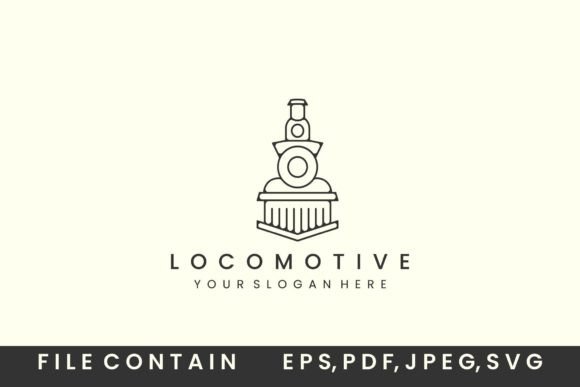
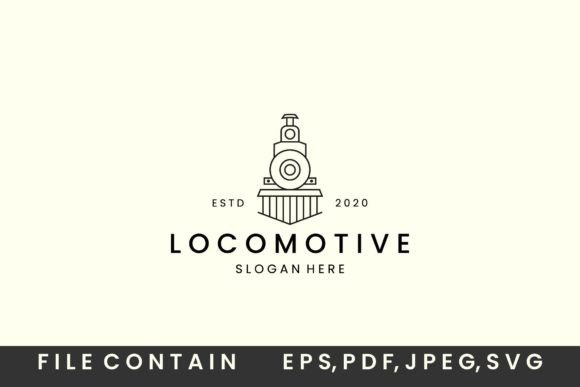
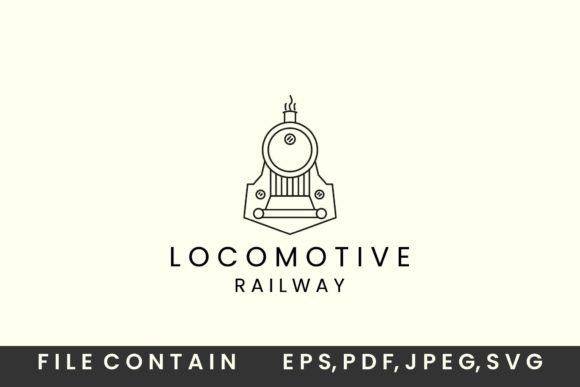
The moment you load this file into your digitizing software, the aesthetic speaks for itself. It is clean, minimalist, and undeniably modern. The line art style suggests movement and nostalgia simultaneously—a perfect balance for travel-themed merchandise. Unlike heavy, blocky logos that require dense fill stitches and risk puckering fabric, this design relies on negative space and crisp lines. It feels lightweight, airy, and sophisticated. For a crafter or small business owner looking to create boutique branding, this logo offers a professional polish that elevates even the simplest garments.
The visual personality is versatile. It doesn’t scream "loud streetwear" nor does it whisper "subtle nursery decor." Instead, it sits comfortably in the middle, making it an excellent candidate for a wide range of applications. Whether you are designing for a railway enthusiast or a general traveler, the imagery communicates journey, adventure, and reliability. This emotional connection is crucial when you are trying to justify a higher price point for your handmade product.
Real-World Application: From Screen to Stitch
I put this design through its paces by imagining it on several common custom apparel items. The first scenario that came to mind was a high-quality canvas tote bag. Because the Train Travel with Line Art Style Logo is primarily linear, it translates beautifully onto sturdy fabrics. The lack of excessive density means the fabric retains its natural texture, allowing the thread colors to stand out without overwhelming the material. Imagine a cream-colored canvas bag with a single black or navy blue outline of the locomotive stitched on the front pocket. It’s chic, functional, and highly Instagrammable.
Another strong use case is sweatshirt embroidery. A crewneck sweatshirt in heather grey paired with this logo creates an instant classic. The line art style works well here because it doesn’t compete with the texture of the fleece. It adds a focal point without adding bulk. For Etsy sellers targeting the gift market, this combination is gold. It appeals to travelers, train spotters, and anyone who appreciates vintage-inspired aesthetics. The design feels timeless rather than trendy, which increases its longevity as a small shop product.
I also considered its potential for embroidered patches. If you plan to add a backing to this design, the clear outlines make it easy to cut around and finish neatly. It could serve as a distinctive badge for denim jackets or backpacks, adding a touch of personality to everyday gear. The versatility extends to kitchen towels and pillow covers as well, where the graphic acts as a subtle decorative accent rather than the main event.
Technical Considerations and Potential Pitfalls
While the design is visually appealing, not all surfaces are created equal. There are specific scenarios where caution is required. First, consider hoop size constraints. If you attempt to stitch this logo too small, the fine lines of the line art may merge together, losing their definition. Always test the design at its smallest intended scale before committing to a full production run.
Fabric choice is equally critical. Avoid using this design on highly textured fabrics like chunky knits or looped terry cloth unless you have extensive experience stabilizing such materials. The uneven surface can cause the running stitch or satin stitch elements to wobble, resulting in a messy appearance. Similarly, stretchy fabrics like thin jersey or spandex blends require a strong stabilizer to prevent distortion. Without proper support, the circular motion of the hoop can stretch the fabric, warping the geometric precision of the train illustration.
Dark fabrics present another challenge. Line art relies on contrast. If you stitch a dark thread onto a dark background, the design will disappear. You must carefully select thread colors that pop against your chosen fabric. Light threads on dark backgrounds work best, but be aware that lighter threads may require multiple passes to achieve opacity, which can slightly increase the stitch density and weight of the final piece.
Stitch Density and Detail Level
The beauty of this machine embroidery design lies in its simplicity, but simplicity demands precision. Check the stitch density in your software. If the lines are too thin relative to the thread weight, they may break during stitching. Conversely, if the digitizer has over-complicated the lines with unnecessary detail, the design may look cluttered. Inspect the small details, such as the wheels or smokestack elements, to ensure they remain distinct. If these tiny features are lost, the entire character of the train is compromised.
It is also wise to review the design in black and white mockups. Sometimes, color distractions hide structural flaws in the digitizing. By stripping away color, you can better assess the balance and flow of the composition. This step is invaluable for ensuring that the finished product maintains its integrity regardless of the thread palette you choose.
Practical Advice for Designers and Sellers
Before incorporating the Train Travel with Line Art Style Logo into your inventory, follow these practical steps to protect your reputation and ensure customer satisfaction.
- Test on Scrap Fabric: Never assume a design will stitch perfectly on the first try. Run a sample on the exact fabric you plan to use. This reveals issues with tension, stability, and thread contrast early.
- Check Licensing: Verify the terms of use for this digital embroidery file. Ensure you have the right to sell finished goods made from this design. Commercial rights vary widely, and misunderstanding them can lead to legal issues.
- Use Proper Stabilizer: Match your stabilizer to your fabric weight. A lightweight tear-away might suffice for woven cotton, but a cut-away stabilizer is often safer for garments that will undergo frequent washing.
- Inspect Small Details: Zoom in on the digitized file. Are there any overlapping stitches that shouldn't be there? Are the corners sharp? Clean digitizing makes the difference between a amateur-looking item and a professional brand consistency marker.
- Consider the End User: Think about how the item will be cared for. Will it be washed frequently? If so, avoid designs that rely on delicate, sparse stitches that might snag or fray over time.
Final Verdict
The Train Travel with Line Art Style Logo is a strong contender for designers seeking a clean, modern aesthetic that translates well to embroidery. Its strength lies in its adaptability—it works on totes, apparel, home decor, and gifts alike. However, success depends entirely on execution. Pay attention to fabric selection, stabilization, and thread contrast. When done correctly, this design can elevate your craft business offerings, providing customers with a product that feels both personal and professionally crafted. It is a reliable tool in the kit of any serious embroidery project portfolio, offering a blend of nostalgia and contemporary style that resonates with a broad audience.