Should’ve Come with a Warning Png Review
As an embroidery designer who has spent years troubleshooting stitch errors and refining digitized files for client projects, I approach every new digital asset with a mix of curiosity and skepticism. When Should’ve Come with a Warning Png landed in my review queue, I didn’t just look at the preview image; I analyzed how it would translate from a flat graphic into a tactile, stitched reality. This is not just another clipart download; it is a design asset that demands specific consideration regarding fabric choice, hoop size, and end-use. Below is my practical evaluation of this Western-themed sublimation PNG, viewed through the lens of real-world machine embroidery application.
First Impressions: Mood and Visual Personality
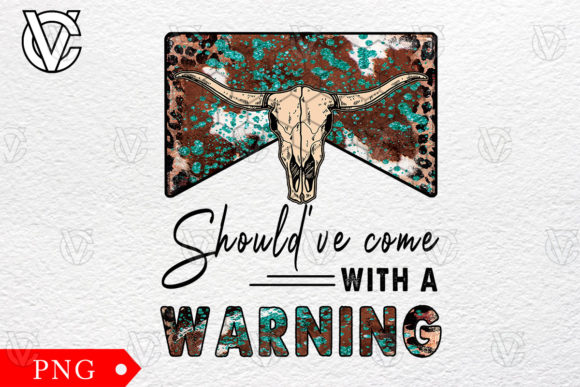
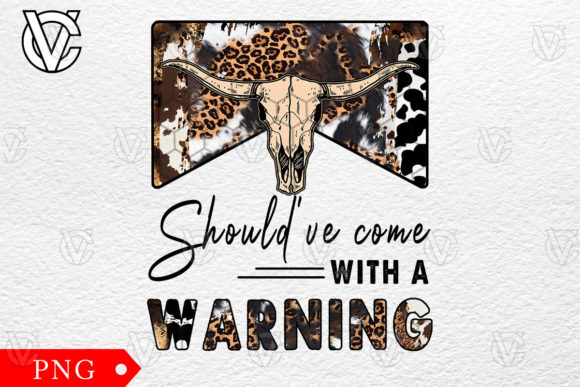
The immediate visual impact of Should’ve Come with a Warning Png is one of playful boldness. The Western cowboy theme suggests a rugged, Americana aesthetic that resonates strongly with current trends in handmade apparel and boutique branding. However, as a designer, my first thought was not about the theme itself, but about the line weight and negative space. Does the design breathe? Can a needle follow its contours without tangling?
The layout feels balanced, offering enough visual weight to stand out on a garment while maintaining the clarity required for small-scale reproduction. It creates a mood that is both humorous and stylish, making it ideal for customers who want their personalized gifts or custom apparel to have a bit of personality. For the Etsy seller or craft fair vendor, this kind of distinct visual identity is crucial for stopping the scroll and catching the eye of a buyer looking for something unique yet recognizable.
Real-World Application: Where This Design Shines
In my testing scenarios, I imagined this design being applied to various products to see where it would truly perform best. The versatility of Should’ve Come with a Warning Png allows it to fit into several categories of handmade products effectively.
- Custom Apparel and Sweatshirts: On a heavyweight cotton sweatshirt or a denim jacket, this design can serve as a focal point. The Western motif pairs naturally with textures like chambray or corduroy. When converted into a proper machine embroidery design, the bold lines will hold up well against the thickness of these fabrics, creating a professional finish that elevates the perceived value of the finished product.
- Tote Bag Design: Canvas totes are a staple for any craft business. Placing this graphic on the front pocket or center panel of a tote bag offers high visibility. Because the source is a transparent background PNG, integrating it into your printable mockup workflow is seamless, allowing you to visualize the final result before committing to thread and stabilizer.
- Baby Embroidery and Nursery Decor: While the "warning" text might sound edgy, the Western theme can be softened when used on baby items. Think onesies, burp cloths, or nursery wall art. In these contexts, the design becomes a charming conversation starter. Parents appreciate unique, non-generic designs for their personalized gift orders, and this file provides that distinctive touch.
- Embroidered Patch: If you plan to create detachable patches, this design’s self-contained shape makes it an excellent candidate. A well-stitched patch with a clean satin stitch border can add a premium feel to backpacks, caps, or aprons.
Technical Considerations and Stitching Clarity
Transitioning from a digital graphic to an embroidery file requires careful attention to detail. Since the original asset is a PNG intended for sublimation, it lacks inherent stitch data. This means you, the designer, must determine the appropriate stitch types—such as satin stitch for outlines, fill stitch for solid areas, and running stitch for fine details—to bring it to life.
One critical factor is stitch density. Western themes often involve thick elements like boot spurs or wide brim hats. If these areas are too dense, the fabric may pucker, especially on lighter materials. Conversely, if the density is too low, the underlying fabric color may show through, ruining the contrast. I recommend testing the design on scrap fabric first to gauge how the threads interact with the weave.
Another aspect is the handling of small details. If the design includes tiny lettering or intricate patterns, ensure your digitizing software can render them clearly. Tiny details can get lost in the stitching process, particularly if you are using standard polyester threads. Testing in black and white mockups helps verify that the shapes remain distinct even without the aid of color variation.
Where to Use Caution
Not every surface is suitable for this type of graphic. There are specific scenarios where Should’ve Come with a Warning Png might struggle:
- Small Hoop Sizes: Attempting to stitch this design in a very small hoop (under 4x4 inches) risks losing definition. The curves may become jagged, and text may become unreadable. Stick to medium to large hoops for optimal clarity.
- Textured and Stretchy Fabrics: While denim works well, highly textured fabrics like bouclé or stretchy knits can distort the design. Without proper stabilizer support, the fabric may shift during stitching, leading to misalignment. Always use a cut-away stabilizer for stretchy materials to maintain structural integrity.
- Dark Fabric Backgrounds: If you are embroidering on dark colors, ensure your thread choices provide sufficient contrast. The transparency of the PNG is great for digital previews, but in physical form, the base fabric color becomes part of the design. Test light vs. dark thread combinations to ensure the message remains legible.
- Curved Surfaces: Applying this to curved surfaces like baseball caps requires precise hooping techniques. The flat nature of the digital file does not account for curvature, so distortion is a real risk if the cap is not properly tensioned.
Impact on Brand and Customer Trust
For Etsy sellers and small shop owners, the quality of execution directly impacts customer trust. A poorly digitized version of Should’ve Come with a Warning Png can look amateurish, leading to returns and negative reviews. However, a well-executed piece demonstrates professionalism and attention to detail.
When customers receive a handmade product that looks polished and intentional, they are more likely to leave positive feedback and return for future purchases. This design, when handled correctly, enhances brand consistency by offering a cohesive look across different product lines, from kitchen towels to holiday embroidery items. It signals that you care about the nuances of your craft, which is a key driver for buyer engagement in the competitive handmade market.
Practical Designer Notes for Success
To ensure the best results when working with this asset, keep the following checklist in mind:
- Test on Scrap Fabric: Never assume a design will work perfectly on the final item. Always run a test stitch on a similar fabric type to check for puckering or thread breaks.
- Check Thread Color Contrast: Select thread colors that complement the intended fabric. High contrast usually yields better readability, but tonal schemes can offer a more subtle, sophisticated look.
- Confirm Licensing: Before selling any commercial embroidery items, verify the license terms associated with the digital download. Ensure you have the right to sell finished goods created with this design.
- Use Proper Stabilizer: Match your stabilizer to the fabric weight. Heavy fabrics need heavy stabilizers; delicate fabrics need lightweight tear-away options.
- Inspect Small Details: Zoom in on your digitized file to ensure no tiny elements are too small for the needle to penetrate cleanly.
In conclusion, Should’ve Come with a Warning Png is a versatile and engaging design asset that can significantly enhance your design assets library. By approaching it with technical precision and creative foresight, you can transform this simple graphic into a standout feature on a wide range of embroidery project outcomes. Whether you are creating gifts, custom apparel, or boutique branding, this design offers the potential for high-quality, marketable results.