People Use Credit Card Money Online Shop
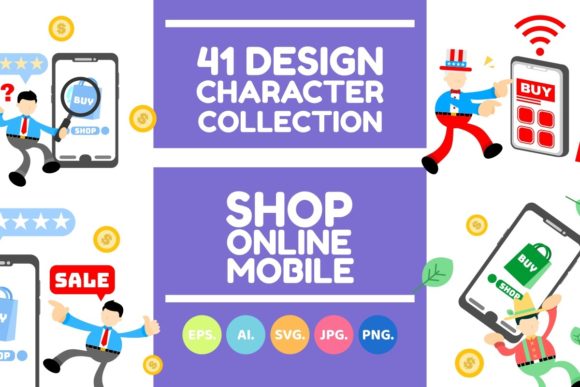
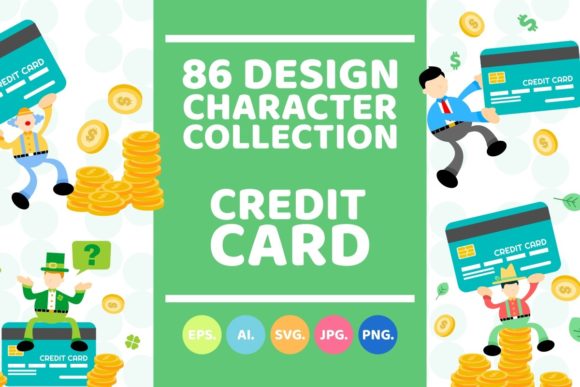
When I pull a new digital asset into my design workflow, I am rarely looking for just "pretty." As someone who reviews embroidery designs for real-world application—whether for a client’s boutique brand or a high-volume Etsy shop—I need to know if the file translates well from screen to fabric. That is exactly where People Use Credit Card Money Online Shop enters the conversation. Sourced from the --86 DESIGN COLLECTION--, this piece sits squarely in the realm of Illustrations and Graphics, specifically targeting the modern consumer behavior of digital transactions. It features a cartoon flat design illustration centered around a character series that includes businessmen, police officers, and even a leprechaun.
At first glance, the mood is playful yet commercially relevant. The concept taps into a universal experience: the ease (and sometimes anxiety) of online shopping. For an embroiderer, the immediate question is not "is it cute?" but "will it stitch cleanly?" Flat design illustrations are generally forgiving because they rely on bold shapes rather than subtle gradients, making them excellent candidates for machine embroidery. However, the inclusion of multiple character types within one listing suggests versatility. If you are planning to use People Use Credit Card Money Online Shop as a standalone machine embroidery design, you need to evaluate how the specific character chosen interacts with your target garment.
Real-World Application: From Screen to Stitch
Let’s imagine a practical scenario. You are preparing a batch of custom tote bags for a local pop-up market or a small business owner launching a financial literacy workshop. You choose People Use Credit Card Money Online Shop because it resonates with your audience. The flat design aesthetic lends itself beautifully to tote bag design applications. Unlike intricate realistic portraits that can get lost in the weave of canvas, the clean lines of this graphic maintain their integrity. When stitched onto a sturdy cotton canvas, the character stands out without overwhelming the bag’s structure.
Similarly, consider using this design for sweatshirt embroidery. A businessman character holding a credit card or browsing a phone could serve as a humorous statement piece for corporate retreats or tech conferences. The humor lies in the relatability. Customers do not just buy embroidered apparel; they buy identity. This design signals a connection to the gig economy, remote work, or simply the joy of retail therapy. When worn, it acts as a conversation starter, which is a key metric for success in handmade product sales.
For baby embroidery or nursery decor, the leprechaun variant offers a whimsical twist. While the theme is financial, the visual language is soft and cartoonish. If converted into a personalized gift for a child’s room—perhaps paired with a piggy bank motif—the design becomes less about money and more about saving and play. This adaptability is rare in single-concept files. It allows the maker to pivot the narrative based on the end-user, whether that is a stressed executive needing a laugh or a parent teaching a toddler about coins.
Technical Considerations and Fabric Interactions
While the visual appeal is strong, every designer knows that the devil is in the details of stitching. When evaluating People Use Credit Card Money Online Shop, you must scrutinize the stitch density. Flat design often uses large areas of fill stitch to create solid blocks of color. If the density is too high, the fabric may pucker, especially on lightweight materials. Conversely, if the design relies heavily on satin stitch for outlines, ensure those lines are thick enough to hold their shape after washing. Thin satin stitches can break down quickly, leading to a frayed look that diminishes the professionalism of the finished product.
Fabric texture plays a critical role here. On smooth jersey knits, the design will lay flat and look crisp. However, on textured fabrics like bouclé or heavy denim, some of the finer details of the cartoon character might get obscured. In such cases, using a proper stabilizer is non-negotiable. A cut-away stabilizer provides the necessary support for dense fills, ensuring that the embroidery project retains its shape over time. For stretchy fabrics, like those used in caps or hats, you must be cautious. Curved surfaces can distort circular or rectangular designs, so testing on scrap fabric first is the only way to guarantee accuracy.
Color contrast is another vital factor. The original graphic likely uses bright, saturated colors typical of flat vector art. When translating this to thread, you must check how these hues interact with your base fabric. On dark fabric, light threads may require an underlay stitch to prevent show-through, adding bulk. On light fabric, dark threads provide sharp definition. Always inspect small details in black-and-white mockups before committing to expensive thread spools. This simple step reveals if the design has enough tonal separation to remain legible when stitched.
Where to Exercise Caution
Not every surface is suitable for this design. Avoid placing People Use Credit Card Money Online Shop on extremely thin fabrics where the backing of the embroidery might become visible through the material. Similarly, be wary of applying it to products that require frequent, heavy-duty washing, such as industrial work aprons, unless you are confident in the durability of the chosen thread. Decorative accents on items like pillow covers are safe bets, as these items endure less friction than daily-wear apparel.
Furthermore, if the design includes tiny lettering or intricate accessories—like a miniature credit card chip—ensure your hoop size accommodates the detail without crowding. Tiny details can disappear if the hoop size is too small relative to the design scale. If the design feels cramped, consider scaling it up slightly to preserve clarity. Remember, a blurry logo or character undermines brand consistency and reduces customer trust in your craftsmanship.
Strategic Value for Sellers and Makers
For Etsy sellers and small shop owners, People Use Credit Card Money Online Shop offers more than just a pretty picture; it offers topical relevance. Holiday seasons, back-to-school periods, and tax season are all opportune times to market designs related to money and shopping. By positioning this item as a holiday embroidery gift or a funny office accessory, you tap into existing consumer interests. The design assets are versatile enough to appear in printable mockups for digital previews, allowing buyers to visualize the final result before purchasing.
The inclusion of diverse characters—from a policeman to a businessman—means you can create a cohesive collection. This approach enhances commercial embroidery potential by offering bundle deals. A buyer interested in one character might purchase the whole set for their team or family. This strategy boosts average order value and strengthens your brand’s identity as a provider of themed, high-quality design assets.
However, always confirm licensing terms before selling finished items. Even though this is a commercial-use friendly graphic, verifying that you have the right to produce and sell physical goods derived from it protects your business. Check if the license allows for unlimited production runs or restricts sales to a certain number of units. Transparency with your customers builds long-term loyalty.
Final Verdict
In conclusion, People Use Credit Card Money Online Shop is a robust choice for designers seeking a blend of humor, modernity, and technical feasibility. Its flat design nature ensures clean stitching, while its thematic content appeals to a broad audience. Whether you are creating custom apparel, embroidered patches, or unique home decor, this design holds up well under scrutiny. Just remember to test rigorously, respect fabric limitations, and highlight the story behind the character. When executed with care, it transforms from a simple digital file into a compelling handmade product that customers will love to wear and display.