Mountain Desert Landscape Review
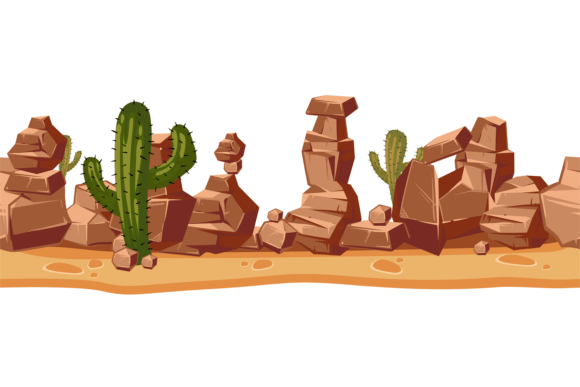
As a designer who spends half my day staring at stitch charts and the other half worrying about whether a client’s idea is actually feasible, I approach every new digital asset with a mix of hope and skepticism. When Mountain Desert Landscape landed in my inbox, I didn’t just see a pretty picture; I saw a potential finished product waiting to happen. This isn’t just another generic clipart file; it is a horizontal seamless background designed for western themes, isolated on a white background, and packaged with essential formats like EPS, JPG, SVG, and transparent PNG. But can it survive the needle? Can it translate from a crisp vector illustration into a tactile, high-value handmade item that customers will actually want to buy?
I put this design through its paces, imagining it not just as a static image, but as an active component in real-world embroidery projects. Here is my honest evaluation of how Mountain Desert Landscape performs when you move it from your screen to your hoop.
The First Impression: Mood and Visual Weight
The immediate appeal of this design lies in its atmospheric quality. Western themes often suffer from being too literal or cluttered, but this landscape strikes a balance between rugged terrain and serene openness. The horizontal orientation is crucial here. In the world of custom apparel and home decor, wide layouts offer versatility that vertical designs simply cannot match. It feels expansive, allowing the eye to travel across the stitching rather than getting stuck in one focal point.
Visually, the design possesses a strong personality without demanding all the attention. It has the kind of visual weight that works beautifully as a background element or a central feature on larger garments. For designers looking to create design assets that feel professional yet approachable, this graphic hits the sweet spot. It suggests adventure and calm simultaneously, which is a powerful emotional hook for buyers browsing Etsy listings or walking through a craft fair booth.
Real-World Application: Where Does It Fit?
Let’s talk about where this design actually shines. I immediately pictured this embroidery project applied to a heavy-duty canvas tote bag. The rugged nature of the mountain theme pairs perfectly with durable fabrics. Imagine a neutral-colored canvas bag featuring this landscape stitched in earthy tones—ochre, sage, slate, and deep brown. The result would be a handmade product that feels grounded and stylish, perfect for a boutique owner looking for unique gift items.
It also translates exceptionally well to sweatshirt embroidery. A cropped hoodie or a classic crewneck featuring this horizontal landscape across the chest or back creates an instant statement piece. The "western game" aspect mentioned in the description hints at a playful yet rustic vibe, making it ideal for seasonal collections. Think holiday embroidery gifts or autumn-themed merchandise. The design’s clean lines and clear separation of elements mean it won’t get lost in the texture of fleece or cotton blends.
For small business owners and Etsy sellers, the versatility extends to home goods. A pillow cover or a kitchen towel featuring this seamless background adds a touch of curated style to any home. The transparent PNG included in the pack allows you to mock up these ideas quickly, helping you visualize how the finished product might look before you commit to threading your machine. It serves as an excellent printable mockup base for digital product previews, allowing you to market the aesthetic even before the physical item exists.
Technical Considerations and Stitching Challenges
No design is flawless, and knowing where a design might struggle is just as important as knowing where it succeeds. While Mountain Desert Landscape is visually striking, embroidery is a medium of subtraction and addition—threads covering fabric and building up layers. You must consider how the design handles different surfaces.
First, let’s address the stitch density. Large areas of fill stitch can become heavy and stiff. If you are planning to use this on delicate fabrics or thin materials, you need to be cautious. The design may require a robust stabilizer to prevent puckering, especially if you are working with stretchy knits or lightweight linens. Always test the design on scrap fabric first to gauge how much bulk the threads add.
Another critical factor is the hoop size. Because this is a wide, horizontal composition, it requires a large hoop to capture the full breadth of the landscape. If you are working with smaller hoops, you may find yourself cropping the design, which could disrupt the seamless flow intended by the artist. Furthermore, applying this to curved surfaces, such as caps or hats, presents a challenge. The flat, panoramic nature of the mountains might distort if not carefully mapped to the curve of the brim or crown. For custom apparel like t-shirts, the layout works best on flat panels, such as the front chest area or the lower back hem.
Color contrast is also paramount. Since the original graphic is isolated on a white background, it relies on strong tonal differences to stand out. On dark fabrics, you will likely need to use a stabilizer or underlay that matches the dominant colors of the design to ensure the details pop. Conversely, on light fabrics, the negative space in the design becomes your friend, allowing the fabric color to act as part of the sky or sand, enhancing the overall aesthetic.
Practical Designer Notes for Success
- Thread Color Selection: Don’t just stick to the default colors in your software. Experiment with thread palettes that mimic natural desert tones. High-quality polyester threads will give the embroidered patch or garment a luxurious sheen that cheap rayon threads lack.
- Detail Inspection: Zoom in on the SVG and EPS files. Check for tiny details that might turn into messy blobs if the running stitch or satin stitch settings aren’t optimized. Some intricate lines may need to be simplified or widened to maintain clarity after stitching.
- Black and White Mockups: Before committing to thread colors, convert your design to black and white. This helps you evaluate the composition and balance without the distraction of color. If the shapes don’t read clearly in grayscale, they might get lost in the complexity of the final embroidery.
- Licensing Verification: As a commercial designer, I cannot stress this enough: confirm the licensing terms. Ensure you have the right to sell finished items made from this digital embroidery file. Some graphics allow personal use only, while others permit commercial sales of physical goods but restrict resale of the digital file itself.
Final Verdict: Is It Worth the Thread?
Ultimately, Mountain Desert Landscape is a strong contender for anyone looking to expand their catalog of western-themed or nature-inspired goods. It offers a sophisticated take on a popular genre, providing enough detail to feel substantial but enough open space to remain breathable and elegant. For the craft business owner, it represents a low-risk, high-reward addition to your library. It works well as a standalone feature on a tote bag, a subtle accent on a baby onesie, or a bold centerpiece on a wall hanging.
However, success depends on execution. Treat it with respect. Choose the right fabric, support it properly, and select threads that complement its mood. When done correctly, this design doesn’t just sit on the fabric; it elevates the entire piece. It transforms a simple commodity into a personalized gift with soul and story. Whether you are a seasoned pro or a hobbyist maker, this graphic provides the foundation for a beautiful, marketable embroidery project that stands out in a crowded marketplace.
If you are ready to bring some rugged elegance to your next creation, this design deserves a spot in your workflow. Just remember to test, plan, and execute with care. Your customers—and your machine—will thank you.