If I Was a Cowgirl I d Be Wild and Free
When I sit down to evaluate a new digital asset for my embroidery studio, I am rarely looking for just "pretty." I am looking for viability. As an experienced designer who produces hundreds of designs for clients and my own handmade product line, I know that the difference between a best-selling item and a return is often hidden in the details of the file itself. Today, I am putting If I Was a Cowgirl I d Be Wild and Free under the microscope. This graphic, categorized under Print Templates and Graphics, promises a specific Western aesthetic that has seen a resurgence in popularity. But does it hold up when translated from a transparent PNG into a tangible, stitched reality?
First Impressions and Visual Personality
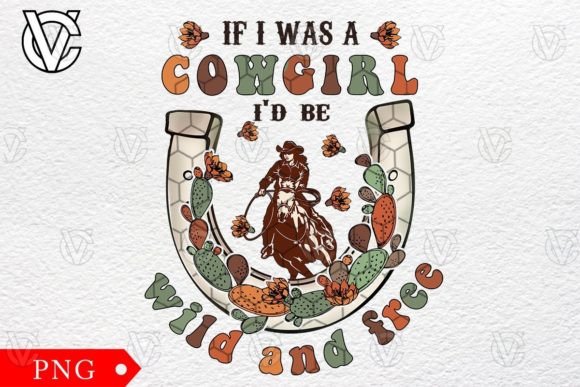
The moment you load this design, the mood is established immediately. The phrase "If I Was a Cowgirl I d Be Wild and Free" carries a distinct energy—rebellious yet romantic, rugged yet approachable. For a designer, the layout is critical. In many Western-themed files, text can become cramped or difficult to read once it is rendered in thread. Here, the visual hierarchy feels balanced. The typography suggests a casual, perhaps slightly distressed or vintage feel, which aligns perfectly with the "wild and free" theme.
From a pure aesthetics standpoint, this design creates a strong emotional connection. It evokes imagery of open ranges, denim, and autumn festivals. However, as a reviewer, my job is to look past the screen. How does this translate to fabric? The design relies heavily on the interplay between the lettering and the potential decorative elements (often associated with cowgirl motifs like hats, boots, or stars). If the accompanying graphics are too intricate, they risk losing definition during the stitching process. If they are too simple, the design might feel sparse. Based on the preview, this file strikes a middle ground that allows for creative interpretation regarding thread colors and stitch types.
Real-World Application: Where This Design Shines
I recently considered using this design for a custom order involving a heavyweight cotton canvas tote bag for a client who runs a boutique coffee shop. The juxtaposition of the sturdy fabric and the playful, spirited quote felt right. Here is how If I Was a Cowgirl I d Be Wild and Free performs in various practical scenarios:
- Custom Apparel and Sweatshirts: This is arguably the strongest use case. A cropped hoodie or a boxy tee featuring this design taps directly into current streetwear trends. The Western vibe pairs naturally with denim jackets or flannel shirts, making it a versatile addition to any small business inventory.
- Baby and Nursery Items: There is a surprising demand for "boho" or "western baby" themes. Using this design on a muslin swaddle or a nursery wall hanging can create a unique, personalized gift. The softness of the fabric contrasts nicely with the bold statement of the text.
- Kitchen and Home Decor: Tea towels and kitchen aprons are excellent entry-level products. They require less hoop space than apparel and are often impulse buys at craft fairs. The durability of the design ensures it survives frequent washing, which is crucial for functional home goods.
- Embroidered Patches: If you plan to sell patches, this design works well as a standalone element. It can be attached to backpacks, caps, or journal covers, adding a touch of personality without overwhelming the base item.
For the Etsy seller or craft business owner, these categories represent high-volume search terms. By offering a finished product that features If I Was a Cowgirl I d Be Wild and Free, you are leveraging a proven aesthetic that customers already recognize and desire.
Technical Considerations and Potential Pitfalls
No design is perfect, and understanding where this file might struggle is just as important as knowing where it succeeds. Embroidery is a subtractive and additive process; you are removing nothing but adding bulk. Therefore, certain applications require caution.
One area to watch closely is stitch density. If the design includes dense fill stitches for background elements, it may pucker lightweight fabrics. Always test on scrap material first. If you are working with thin or stretchy fabrics, such as jersey knits used in some t-shirts, you must use a proper stabilizer to prevent distortion. Without adequate support, the tension of the threads can pull the fabric out of shape, ruining the professional look of the finished product.
Another challenge is small details. If the design contains tiny decorative accents or very fine lettering, these elements may not render clearly in a small hoop size. When converting a digital graphic to an embroidery file, sharp lines can sometimes become jagged or blurred by the machine's movement. I recommend inspecting the smallest elements in your software before committing to production. If the text becomes illegible, consider scaling the design up or simplifying the stitch type to satin or running stitch for better clarity.
Furthermore, consider the thread color contrast. On dark fabrics, light-colored threads may require multiple passes or a different thread weight to achieve full opacity. Conversely, dark threads on black fabric can disappear entirely. Test your color palette against the actual fabric you intend to use. A black thread on a navy blue shirt might look good on screen but vanish in person.
Practical Designer Notes for Production
To ensure the highest quality output, follow these steps before launching your product line:
- Test Stitch Density: Review the design in your embroidery software. If areas appear too dense, reduce the stitch count or adjust the underlay settings.
- Check Hoop Size: Ensure the design fits comfortably within your standard hoop sizes. Overlapping hoops can leave visible marks and complicate the workflow.
- Verify Licensing: Since this is a digital download, confirm whether you have commercial rights to sell finished items. Some licenses restrict resale, while others allow unlimited personal and commercial use. Always read the fine print.
- Use Proper Stabilizer: Match your stabilizer to your fabric weight. Cut-away stabilizers are generally safer for garments that will be washed frequently, while tear-away may suffice for one-time use items like party favors.
- Inspect Small Details: Zoom in on the design. Are there any isolated pixels or tiny shapes that might get lost in the stitching? Remove or enlarge them if necessary.
Final Verdict: Is It Worth the Investment?
Overall, If I Was a Cowgirl I d Be Wild and Free is a solid choice for designers looking to expand their Western-themed offerings. It captures a popular cultural moment with a tone that is both fun and fashionable. Its versatility across multiple product categories—from tote bag design to sweatshirt embroidery—makes it a valuable asset for any craft business.
However, success depends on execution. The design itself is only half the equation; the other half is your technical skill in preparing and stitching the file. By paying attention to fabric choice, stabilizer selection, and thread contrast, you can transform this digital graphic into a high-quality handmade product that customers will love. For the Etsy seller or small shop owner, this design offers a low-risk, high-reward opportunity to tap into a loyal customer base that values authentic, well-crafted goods. Just remember to test thoroughly, respect the limitations of the medium, and always prioritize the finish quality. When done correctly, this design has the potential to become a staple in your design assets library.