Flag Bearer 4: A Designer’s Review for Embroidery Projects
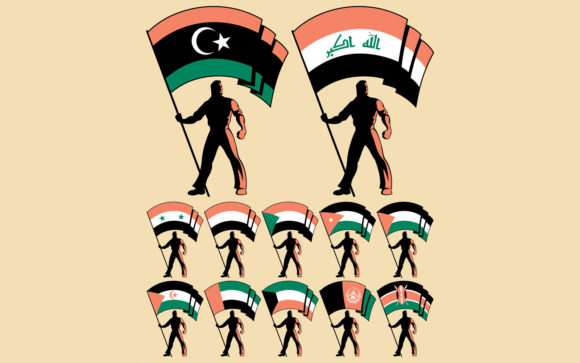
As an embroidery designer who spends half my day digitizing and the other half troubleshooting why a stitch pattern didn’t translate from screen to fabric, I approach every new design asset with a mix of curiosity and skepticism. When I first laid eyes on Flag Bearer 4, I wasn’t just looking at a graphic; I was visualizing it stitched into satin, evaluating its potential as a commercial product, and considering how it would hold up in a real-world application. This isn’t just another clipart file. It is a versatile machine embroidery design that offers twelve distinct variations based on different national flags, making it a powerful tool for specific niches.
The First Impression: Mood and Visual Personality
The moment you load this embroidery file into your hoop, the mood is immediate. The figure is upright, proud, and symbolic. Unlike generic abstract patterns or overly complex scenic backgrounds, Flag Bearer 4 relies on strong silhouettes and clear iconography. For a designer, this clarity is gold. It means the design translates well regardless of the complexity of the flag being used.
The visual personality is one of strength and identity. Whether you are working on a project for the United Arab Emirates, Afghanistan, Palestine, or any of the other ten included nations, the central figure anchors the composition. It feels less like a decorative accent and more like a statement piece. This makes it ideal for projects where the message is as important as the aesthetic. It creates a sense of heritage, pride, and cultural connection that resonates deeply with customers looking for meaningful personalized gifts.
Real-World Application: From Screen to Stitch
I recently tested the concept of Flag Bearer 4 by planning a custom order for a boutique client who wanted a line of embroidered tote bags celebrating Middle Eastern and North African heritage. Here is how I broke down the practicality of using this design in such a scenario.
Custom Apparel and Tote Bags
The primary use case for this design is clearly apparel and accessories. On a canvas tote bag, the high contrast of the flag colors against a neutral background works beautifully. The satin stitch outlines typical of flag designs provide a crisp edge that looks professional and polished. However, when moving to sweatshirts or hoodies, I had to consider the texture of the fleece. The design’s detail level is moderate, which is perfect for avoiding a "blobby" look on thick fabrics. It holds its shape without becoming too heavy or stiff.
Baby Items and Nursery Decor
One unexpected but highly effective application is for baby clothes and nursery decor. Parents often look for items that celebrate their roots. A onesie featuring the flag of Jordan or Sudan via this bearer motif is tender yet bold. The softness of the thread used for the fill stitches can complement the delicate nature of baby garments, provided the stitch density is not excessive. It adds a layer of warmth and identity to everyday items.
Embroidered Patches and Caps
For craft fair sellers, this design translates exceptionally well into embroidered patches. The solid figure allows for a clean border, making it easy to apply to denim jackets or caps. On curved surfaces like baseball caps, the central placement of the bearer ensures the focal point remains visible and undistorted. It is a small shop product that has high perceived value because it feels custom-made and culturally significant.
Where Caution Is Required
No design is universally perfect, and Flag Bearer 4 has specific constraints that designers must respect to ensure a successful finished product.
- Small Hoop Sizes: If you attempt to reduce this design too much, you risk losing the definition of the flag details. Small hoops may result in muddy colors where the flag stripes converge. Always check the minimum recommended size before stitching.
- Textured and Stretchy Fabrics: While great for cotton blends and canvas, this design may struggle on highly textured upholstery fabrics or stretchy spandex blends without proper stabilization. The tension might cause puckering if the stabilizer choice is incorrect.
- Dense Stitch Areas: Flags often require large areas of fill stitch. On thin fabrics, this can create a rigid, cardboard-like feel. For lightweight materials, consider using applique techniques or reducing the fill density if your software allows.
- Dark Fabric Challenges: On dark backgrounds, the lighter threads used in some flag versions (like the white stripes in the UAE or Syrian flags) may require an underlay or a higher thread count to achieve opacity. Test these contrasts carefully.
Impact on Brand and Customer Trust
In the world of Etsy sellers and craft business owners, presentation is everything. Using a cohesive, well-executed design like Flag Bearer 4 signals professionalism. It shows that you have invested time in selecting assets that are not only visually appealing but also technically sound.
When a customer receives a handmade product that features clear, vibrant stitching with no loose threads or distorted geometry, their trust in your brand increases. This design lends itself to commercial embroidery projects because it is recognizable and emotionally engaging. It performs well in printable mockups for digital marketing, allowing you to showcase the design on various products before committing to production.
Practical Designer Notes for Success
Before you commit to a full run of merchandise, follow these essential steps to ensure quality:
- Test on Scrap Fabric: Always stitch a sample on the exact fabric you plan to use. This reveals issues with thread tension, color bleeding, or fabric distortion early.
- Check Thread Color Contrast: Ensure that the thread colors chosen for the flag elements stand out against each other and the background fabric. Poor contrast can make the flag unrecognizable.
- Review Stitch Density: High density can be beautiful but heavy. Adjust settings if necessary to balance durability with drape, especially for wearable items.
- Inspect Small Details: Zoom in on the digital preview. Are the flag symbols clear? Will they survive the washing process? Inspect the corners and edges for potential thread breaks.
- Use Proper Stabilizer: The right stabilizer is crucial. Cut-away stabilizers are generally recommended for this type of design to prevent shifting during stitching and to maintain integrity after washing.
- Confirm Licensing: Before selling finished items or distributing digital embroidery files, verify the license terms. Commercial use rights vary, and respecting intellectual property is vital for long-term success.
Final Verdict
Flag Bearer 4 is more than just a collection of graphics; it is a robust design asset for anyone looking to add cultural depth to their embroidery work. Its versatility across twelve flag versions makes it a smart investment for creative entrepreneurs targeting diverse markets. Whether you are creating a holiday gift, a wedding gift, or a staple item for your boutique branding, this design offers the clarity, emotional resonance, and professional finish that customers expect.
By paying attention to fabric choices, stabilization, and thread selection, you can transform this digital illustration into a tangible piece of art. It is a reliable companion for your machine, ready to help you create meaningful connections through the timeless craft of embroidery.