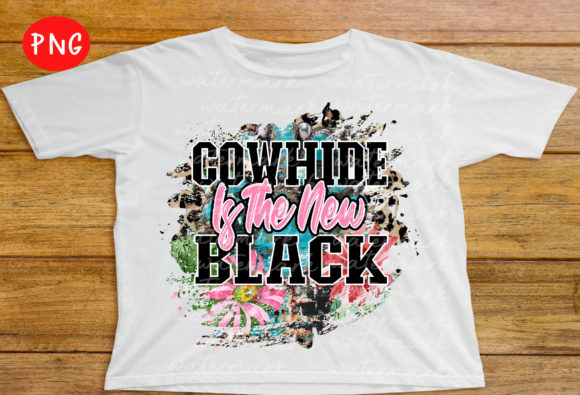
Cowhide Is The New Black Sublimation Review
As a designer who spends half my life staring at digitized files and the other half troubleshooting tension issues on an embroidery machine, I don’t just buy designs because they look cute. I buy them because they translate well from screen to fabric. When Cowhide is the New Black Sublimation landed in my inbox, I had to pause. It sits right at that intersection of trending aesthetics and practical application, but for embroidery, "trending" doesn't always mean "stitchable." This review breaks down how this Southwestern-inspired graphic actually performs when you move it out of the digital realm and into your hoop.
First Impressions: Mood and Visual Personality
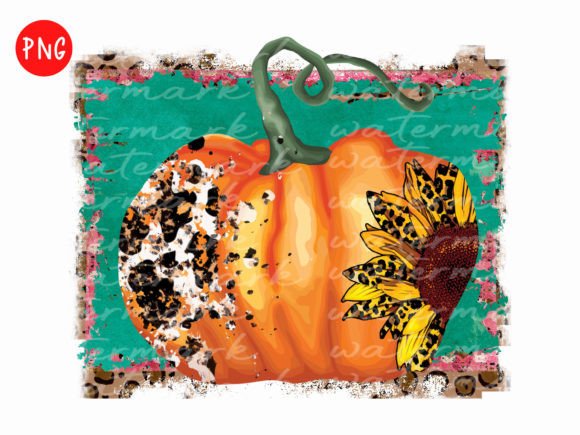
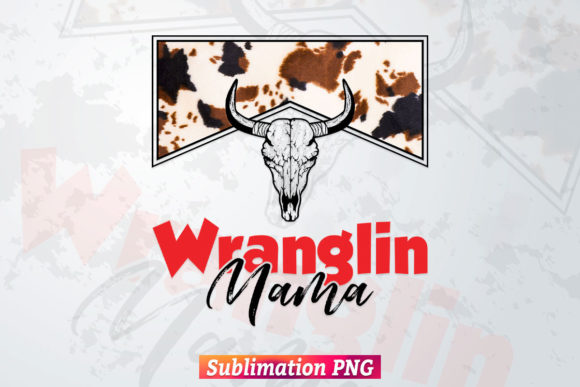
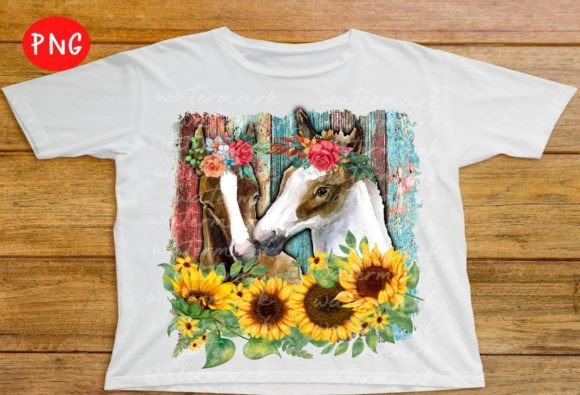
The title alone sets a tone. Cowhide is the New Black Sublimation suggests a blend of rustic charm and modern edge. Visually, the design leans heavily into Western and retro vibes, which are staples in the handmade market right now. But what matters most to me isn't the theme; it's the layout. The composition feels balanced, avoiding the cluttered look that often plagues busy sublimation graphics. There is enough negative space to breathe, which is critical for embroidery. If a design is too dense or chaotic, it turns into a muddy blob once stitched. Here, the shapes appear distinct enough to maintain their identity even when rendered in thread.
The aesthetic works beautifully for specific niches. It immediately brings to mind boutique apparel shops, craft fair booths, and personalized gift stores. It’s not just a generic pattern; it has character. For an Etsy seller looking to stand out in a sea of floral prints, this offers a distinct alternative that appeals to customers who love boho, hippie, or vintage styles without feeling dated.
Real-World Application: Where This Design Shines
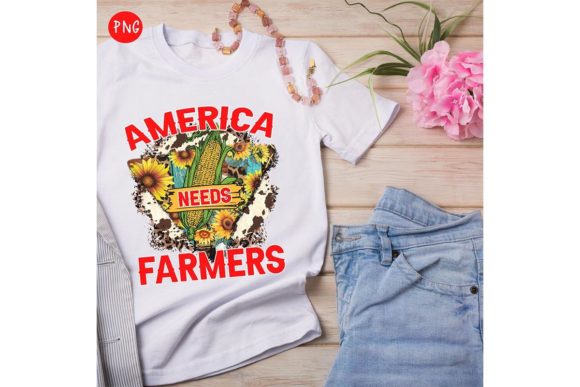
I put this concept through its paces mentally by imagining it on various products. The first scenario that came to mind was a custom embroidered tote bag. A canvas tote with a crisp, high-contrast cowhide motif screams "practical chic." Because the design likely features bold lines and recognizable patterns, it holds up well on larger surface areas like bags and sweatshirts. These items allow the design to expand without losing detail.
Another strong candidate is the baby item market. Embroidered onesies or burp cloths with subtle Western themes are huge sellers. However, for baby items, you have to be careful with scale. If Cowhide is the New Black Sublimation includes tiny text or intricate details, it might get lost on a small garment. But if the core motif is the cowhide shape itself, it can be quite charming on a nursery pillow cover or a child’s denim jacket.
For commercial embroidery projects, this design fits seamlessly into holiday collections. Think fall festivals, Thanksgiving gatherings, or winter holiday gifts where cozy, rustic vibes are in demand. An apron embroidered with this design makes for a thoughtful housewarming gift, while a cap featuring the motif could serve as great merchandise for a small shop product line targeting outdoor enthusiasts or music festival-goers.
Technical Considerations and Stitch Behavior
This is where the rubber meets the road. As an embroidery file, the success of this design depends entirely on how the digitizer interpreted the original PNG. Since we are dealing with a graphic originally meant for sublimation (which relies on ink saturation), converting it to thread requires smart decisions about stitch types.
If the design uses heavy fill stitch areas to replicate the texture of cowhide, you need to ensure the stabilizer matches the fabric weight. On stretchy fabrics like t-shirt materials, a heavy fill can cause puckering. In these cases, a combination of satin stitch for outlines and lighter fill or running stitch for texture is often safer. Conversely, on stable fabrics like cotton twill for patches or aprons, you can afford to go bolder with the density.
Thread color contrast is another major factor. Cowhide designs often rely on natural tones—browns, creams, blacks, and whites. On dark fabric, using white or cream threads for the highlights will create a striking visual pop, whereas on light fabric, you might need darker threads to define the edges. Always test your thread colors against your actual fabric swatch before committing to a production run. The difference between a professional finish and a amateur one often lies in these subtle contrast choices.
Where to Use Caution
Not every project is a good fit for this design. Avoid placing complex versions of Cowhide is the New Black Sublimation on curved surfaces like baseball caps unless the digitization specifically accounts for curvature. Small hoop sizes are also risky; if the design includes fine details or tiny lettering, shrinking it down can result in thread breaks or loss of definition. Similarly, textured fabrics like chenille or thick fleece can hide the nuances of the stitching, making the design look flat or indistinct.
Be wary of using this on garments that require frequent washing, such as baby clothes or kitchen towels, if the design relies on delicate satin stitches that might snag. For these high-wear items, simpler, more robust stitch patterns tend to hold up better over time.
Impact on Brand and Customer Trust
Using a well-executed design like this boosts your handmade presentation. Customers associate clean stitching and clear imagery with quality. When a buyer sees a sharp cowhide motif on a tote bag, they perceive value. It looks intentional and professional. This is crucial for Etsy sellers and small business owners who compete on aesthetics. A strong design asset helps build brand consistency, making your shop look curated rather than random.
Furthermore, the "retro" and "vintage" elements of the design tap into current consumer desires for nostalgia and authenticity. This emotional connection drives engagement. People don't just buy a shirt; they buy into a lifestyle. By offering a design that speaks to the Western or hippie aesthetic, you are catering to a specific community, which can increase customer loyalty and repeat purchases.
Practical Designer Notes Before You Stitch
Before you rush to print mockups or start sewing, follow these steps:
- Test on Scrap Fabric: Always run a sample on the same type of fabric you plan to use. Check for puckering, thread tension, and color accuracy.
- Check Stitch Density: Ensure the design isn't too dense for the fabric. Too much thread can cause the fabric to stiffen or tear.
- Review Small Details: Zoom in on the digital file. Are there any tiny elements that won't stitch well? Simplify if necessary.
- Confirm Licensing: Since this is a digital download, verify the license terms. Can you sell finished products? Can you use it in commercial embroidery projects? Never assume rights.
- Compare Backgrounds: View the design in black and white mockups to check contrast levels independently of color distractions.
In conclusion, Cowhide is the New Black Sublimation is a versatile graphic with strong potential for the embroidery market. Its Southwestern flair and retro appeal make it suitable for a wide range of products, from casual wear to home decor. However, its success depends on thoughtful execution. By paying attention to fabric choice, stitch type, and licensing, you can transform this digital graphic into a profitable, high-quality physical product that resonates with your customers.