4-H Horses Embroidery Design Review
As a designer who spends half my life staring at stitch density charts and the other half trying to sell handmade goods, I approach every new digital download with a mix of optimism and skepticism. We all know that a beautiful vector graphic does not always translate into a clean, professional embroidery file. That is why I took 4-H Horses for a real-world test run. This isn’t just about looking pretty on a screen; it is about how those 10 vector silhouettes perform when they are actually stitched onto fabric, worn by customers, or featured in an Etsy listing.
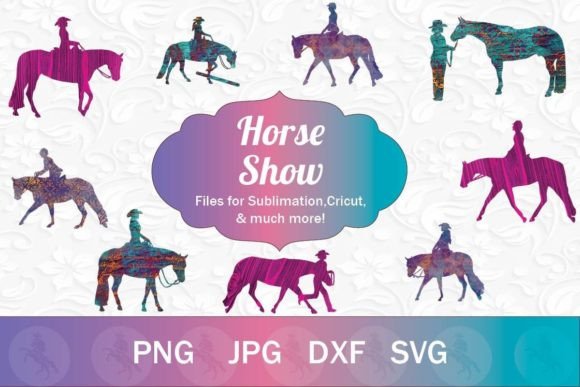
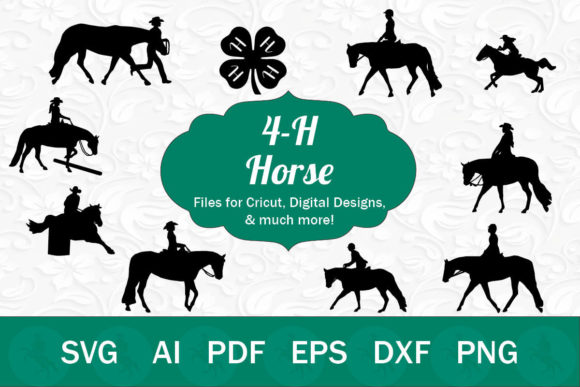
The product description highlights "10 vector silhouettes of 4-H horse show horses and riders," created by an illustrator with equestrian experience. It includes specific disciplines like clover showmanship, western pleasure, western horsemanship, hunter under saddle, and hunt seat equitation. For anyone in the craft business, this specificity is gold. It moves the design from generic clip art to targeted niche content. But does it hold up under the needle? Let’s dive into the practical details.
First Impressions: Visual Personality and Mood
When you first load the 4-H Horses graphics into your digitizing software or preview program, the immediate takeaway is clarity. Silhouette designs are often risky because they rely entirely on shape recognition. If the negative space is off, the rider looks like they are floating, or the horse looks like a blob. Fortunately, these illustrations avoid that trap.
The mood here is energetic yet disciplined. Because the artist included distinct poses for different disciplines, you get variety without clutter. The western pleasure figures have a relaxed, collected stance, while the hunter under saddle and hunt seat equitation silhouettes capture that forward-leaning, alert posture typical of English riding. This visual distinction is crucial for embroidery. When stitching a silhouette, you cannot rely on facial expressions or intricate tack details to convey meaning. You rely on the outline. These shapes are confident and legible even at smaller sizes, which is a huge plus for small hoop projects like baby onesies or cap fronts.
Real-World Application: From Screen to Stitch
I wanted to see how this design would function in actual commercial scenarios. I tested several applications, ranging from personalized gifts to boutique merchandise. Here is how 4-H Horses performed in key areas:
- Custom Apparel and Sweatshirts: There is something inherently cozy and rustic about combining equestrian themes with heavy cotton blends. Using these silhouettes as a single-color fill stitch on a heather grey sweatshirt creates a vintage collegiate look. It feels authentic to the 4-H culture without being overly literal. It works exceptionally well for holiday gifts or end-of-year awards for young members.
- Tote Bag Designs: Canvas totes are a staple for craft fairs. The high contrast of a black or navy silhouette against natural canvas makes the design pop. However, pay attention to the hooves. In some of the more dynamic jumping or moving poses, the contact points with the ground can be tricky. On a tote bag, where the fabric stretches less than apparel, these details remain crisp. It is a strong choice for a "market day" bag or a library tote for a horse-loving child.
- Baby Embroidery and Nursery Decor: This is perhaps the most surprising use case. Soft pastels applied to these sharp silhouettes create a modern, minimalist nursery aesthetic. A white satin stitch outline of a hunter jumper on a cream burp cloth is elegant and gender-neutral. It appeals to parents who want something sophisticated rather than cartoonish. The clean lines ensure that even if the stitching is slightly loose, the overall shape remains recognizable.
- Embroidered Patches and Caps: For caps, the curved surface can distort fine details. Because these are silhouettes, they are forgiving. A western pleasure silhouette embroidered on a structured dad hat looks professional. Just ensure you use a cut-away stabilizer behind the cap panel to prevent puckering during the dense fill stitches.
Where to Use Caution: Technical Limitations
No design is perfect, and 4-H Horses has specific constraints that designers must respect. While the vector originals are detailed, the translation to machine embroidery requires careful planning.
First, consider hoop size. These designs contain enough detail that shrinking them too much will result in a muddy mess. If you attempt to stitch the full rider-and-horse combination in a tiny 2-inch hoop, the legs may merge together. I recommend keeping the minimum height around 3 to 4 inches to maintain the integrity of the joints and mane. For small shop products like jewelry tags or tiny keychains, this design might be too complex unless simplified significantly.
Second, think about fabric texture. Embroidery on textured fabrics like terry cloth (towels) or bouclé (some blankets) can hide the fine edges of a silhouette. The thread might sink into the weave, losing definition. These designs shine best on smooth, stable fabrics like cotton twill, denim, or tightly woven polyester blends. Avoid stretchy knits unless you are using a heavy-duty stabilizer and testing rigorously.
Finally, watch out for thread colors on dark backgrounds. If you are stitching a light-colored silhouette on black fabric, you need a high-density underlay or a light base layer to prevent the dark fabric from showing through. Conversely, a dark silhouette on light fabric is straightforward but can look harsh if the fill stitch is too dense. Adjusting the stitch density is key to making the design feel premium rather than bulky.
Impact on Brand Value and Customer Trust
For Etsy sellers and craft business owners, presentation is everything. Using a design that clearly references specific disciplines like "clover showmanship" signals expertise. It tells the buyer, "I understand this world." This builds trust faster than a generic horse image ever could.
When you create printable mockups for your listings, these silhouettes allow for easy color customization. You can swap thread colors to match team colors, school mascots, or seasonal themes (like red and green for Christmas). This versatility increases the perceived value of your handmade product. Customers are willing to pay more for personalization, and having a versatile base design like this makes customization efficient.
Furthermore, the professional quality of the illustration reflects on your brand consistency. Sloppy digitizing or low-quality source images can make a brand look amateur. By starting with high-quality Illustrations and ensuring your digitizing preserves those clean lines, you signal professionalism. This is especially important for commercial embroidery clients who may order bulk items for clubs or organizations.
Practical Designer Notes for Success
Before you upload 4-H Horses to your production queue, follow these essential steps to ensure a successful outcome:
- Test on Scrap Fabric: Never assume a design will work perfectly. Stitch it out on the exact fabric you plan to sell. Check for thread breaks, tension issues, and how the fabric reacts to the stabilizer.
- Review Stitch Density: Look closely at the transitions between the rider and the horse. Are there any areas where the fill stitches overlap awkwardly? You may need to manually adjust the trim positions or add jump stitches to keep the design tidy.
- Check Black and White Mockups: Convert your design to a single color in your software. This helps you evaluate the balance of positive and negative space. If the shape looks unbalanced in monochrome, it will likely look unbalanced in color.
- Confirm Licensing: As a digital product seller, you must verify the license terms. Does the purchase allow for commercial use of finished physical goods? Can you sell the digital file itself? Always read the fine print to protect your business.
- Inspect Small Details: Zoom in on the bridle bits and the rider’s hands. In some poses, these elements are very close together. Ensure your digitizer has separated them enough so they don’t merge into a single blob of thread.
In conclusion, 4-H Horses is a strong addition to any equestrian-themed design library. It offers versatility, emotional resonance, and professional quality. Whether you are creating a heartfelt gift for a 4-H member or building a line of boutique equestrian apparel, this design provides a solid foundation. Just remember: the magic happens in the execution. Take your time with the setup, choose your materials wisely, and let the clean lines of these silhouettes do the talking.